
Beyond Green Fields: The Rise of 3D in Farming Brands
For years, farm branding stuck to predictable images: rolling hills, golden wheat, and farm animals. These aren't bad, but they blend together. Today's consumers want more than just 'fresh' or 'local'; they want a connection, a story, and trust. That's why sophisticated designs, like 3D logos, are becoming important.
Flat 2D logos can feel impersonal and don't convey the depth of modern farming. Consumers are more discerning, and brand recognition is critical, even for an industry that historically focused on production over marketing. A strong visual identity is now essential for farms aiming to thrive.
The USDA acknowledges the need for modernization in American agriculture. While their focus is broad, a modern image helps attract investment and reach new consumers. The department's initiatives to support farmers implicitly recognize branding's importance in a competitive market. It's no longer enough to just grow food; you have to sell the story behind it.
Why 3D Logos Resonate with Today’s Food Consumers
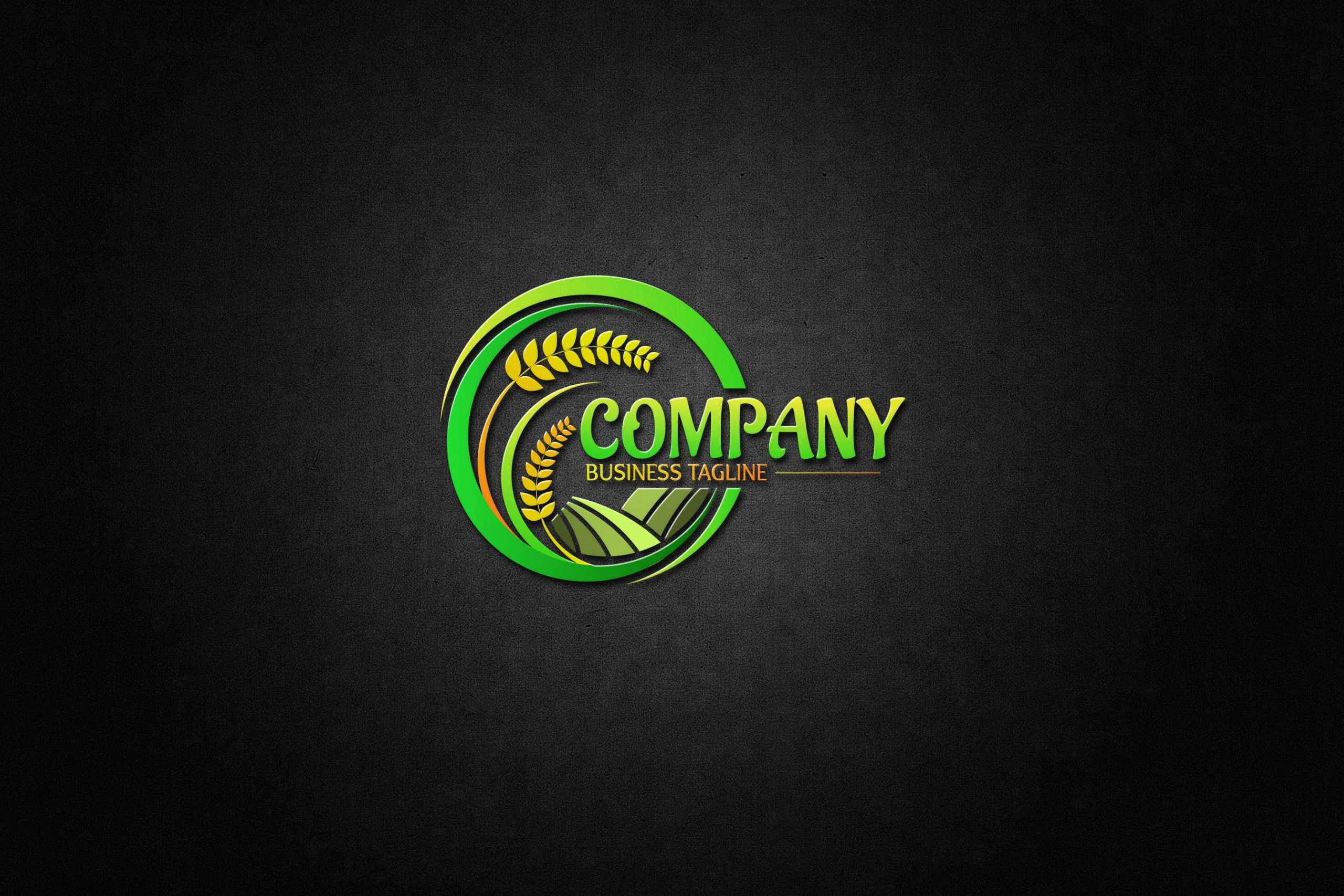
3D design has a distinct psychology. Depth and texture create a sense of tangibility, even on a flat screen. This is effective for food products, where consumers seek a connection to the source. A good 3D logo can evoke authenticity and quality, suggesting a substantial and real product.
Consumers want transparency. They want to know where their food comes from and how it's made. 3D logos, with their ability to show intricate details and realistic textures, can contribute to this openness. They suggest care and attention, resonating with shoppers looking for ethically sourced and sustainably produced goods.
Younger consumers are drawn to brands that project innovation. A 3D logo can signal that a farm embraces new technologies and practices, even if its core methods are traditional. While specific consumer survey data on 3D logo preference in food is limited, broader branding studies show younger demographics respond positively to modern, visually engaging designs.
Industries Leading the Charge: 3D Logos in Agriculture
3D logo adoption isn't uniform across all farm sectors. Some industries are adopting them more readily. Organic farms, for example, use 3D designs to emphasize their commitment to natural processes. The depth and texture of a 3D leaf or root system can communicate the idea of "grown from the earth."
Wineries and craft breweries focused on the "farm-to-table" movement are another key demographic. These businesses use 3D logos to convey luxury and craftsmanship. A 3D grape cluster or barley stalk can elevate perceived product value, suggesting a premium experience. Logos incorporating metallic effects or subtle gradients enhance this impression.
Specialty produce growers, like those focusing on heirloom tomatoes or exotic mushrooms, are embracing 3D designs to highlight product uniqueness and quality. Even larger operations are rebranding with 3D logos, recognizing a modern image attracts wholesale buyers and consumers. Sun World International, a large fruit producer, uses subtle 3D elements in its updated branding to convey freshness and innovation.
“Terra Verde Farms,” a small organic operation in California, uses a 3D logo of sprouting seeds with realistic textures to emphasize natural growth. The logo communicates their core values and has helped them build a loyal customer base. “Golden Valley Orchards,” a larger apple producer, recently adopted a 3D logo featuring a glistening apple to signal quality and freshness.
Design Elements: What Makes a Successful 3D Farming Logo?
Creating an effective 3D farm logo requires balancing artistry and practicality. Natural elements like wheat stalks, leaves, fruits, vegetables, and farm animals can be rendered in 3D for a compelling visual. Avoid cliché; the goal is to be recognizable and relevant, not generic.
Texture is crucial. Using textures to convey earthiness and authenticity enhances a 3D logo's impact. Consider the rough bark of a tree, the smooth skin of a fruit, or the delicate veins of a leaf. Color palettes should evoke freshness and health—greens, browns, yellows, and oranges work well, but need careful balance to avoid looking dated.
Lighting creates depth and dimension. Subtle highlights and shadows make a logo pop and draw the eye. Avoid overdoing it, as too much lighting can make a logo look artificial and distracting. Simplicity is also key. A cluttered logo is hard to read and remember. The design should be clean and concise, focusing on a few key elements.
Scalability is often overlooked but important. A logo that looks great on a website must also work on a tractor or packaging label. The design needs to be versatile across applications. A good designer considers these factors from the start.
- Natural Elements: Wheat, leaves, animals – used creatively.
- Earthy Textures: Conveying authenticity and quality.
- Fresh Color Palettes: Greens, browns, yellows, and oranges.
- Strategic Lighting: Creating depth without distraction.
- Simplicity & Scalability: Ensuring versatility across platforms.
3D Logo Considerations
- Brand Identity First - Before exploring 3D designs, clearly define your farm’s core values: tradition, innovation, sustainability, or family-focused.
- Competitor Analysis - Research logos of similar agricultural businesses in your region. Identify what works, what doesn’t, and opportunities to differentiate.
- Design Style Alignment - Choose a 3D style that reflects your brand. Rustic 3D logos evoke heritage, minimalist designs suggest efficiency, and modern styles signal innovation.
- Color & Texture Choices - Earth tones (greens, browns) are common in agriculture, but consider how color and texture contribute to the 3D effect. Metallic textures can convey quality, while matte finishes feel natural.
- Scalability Testing - Ensure your 3D logo remains recognizable and impactful across various applications – from tractor decals to website favicons and packaging.
- Target Audience Feedback - Gather input from potential customers or community members. A logo that resonates with your target demographic is crucial for brand recognition.
- Material Representation - Consider how the 3D design can subtly represent your farm’s products. For example, a wheat stalk subtly integrated into the logo for a grain farm.
- Application Versatility - Think about where the logo will be used: signage, vehicle wraps, social media, and printed materials. The 3D effect should translate well across all platforms.
Foresight Creative’s Approach to Agricultural 3D Logo Design
A logo is more than a pretty picture; it's the visual cornerstone of a brand. Our process for creating 3D logos for agricultural businesses starts with understanding the client’s values, target audience, and competitive landscape. We craft visual narratives.
We specialize in modern, minimalist, and vintage designs, blending them to create unique logos. Our team has experience with a wide range of agricultural clients, from small family farms to large corporations. We understand the challenges and opportunities facing this industry.
We recently completed 3D logo projects for clients like "Harvest Moon Organics’ (a minimalist 3D leaf design) and ‘Red Barn Winery’ (a sophisticated 3D grape cluster). These projects translate a client"s vision into an effective logo. We prioritize collaboration and involve our clients every step of the way.
Cost Considerations: Investing in a 3D Brand Identity
Investing in a 3D logo is a financial decision. Costs vary based on design complexity, detail, revisions, and designer experience. A simple 3D logo might start around $500, while a complex design could exceed $2,000.
undefined’s important to view a logo not as an expense, but as an investment. A well-designed logo can pay for itself many times over through increased sales, customer loyalty, and brand recognition. A strong brand identity can also justify premium pricing and attract new customers.
We at Foresight Creative offer transparent pricing and detailed quotes. We break down the cost of each component of the design process, so our clients know exactly what they’re paying for. We also offer flexible payment options to make the process more accessible.
Looking Ahead: 3D and the Future of Farm Branding
The future of agricultural branding is likely to be increasingly immersive and interactive. Emerging trends in 3D logo design, such as animation and augmented reality, offer exciting possibilities for connecting with consumers. Imagine a logo that comes to life on a product package or a virtual farm tour accessible through a QR code embedded in the logo.
Sustainability and ethical sourcing will continue to play a major role in shaping brand identities. Consumers are increasingly demanding transparency and accountability from the companies they support. 3D logos can be used to communicate these values effectively, showcasing a farm’s commitment to responsible practices.
We anticipate seeing more integration of 3D logos into packaging and marketing materials. From 3D-printed labels to interactive digital ads, the possibilities are endless. The key will be to find innovative ways to leverage these technologies to create a memorable and engaging brand experience. The farms that embrace these changes will be best positioned to thrive in the years to come.

No comments yet. Be the first to share your thoughts!