
Vintage Logos: Why Humans Still Win
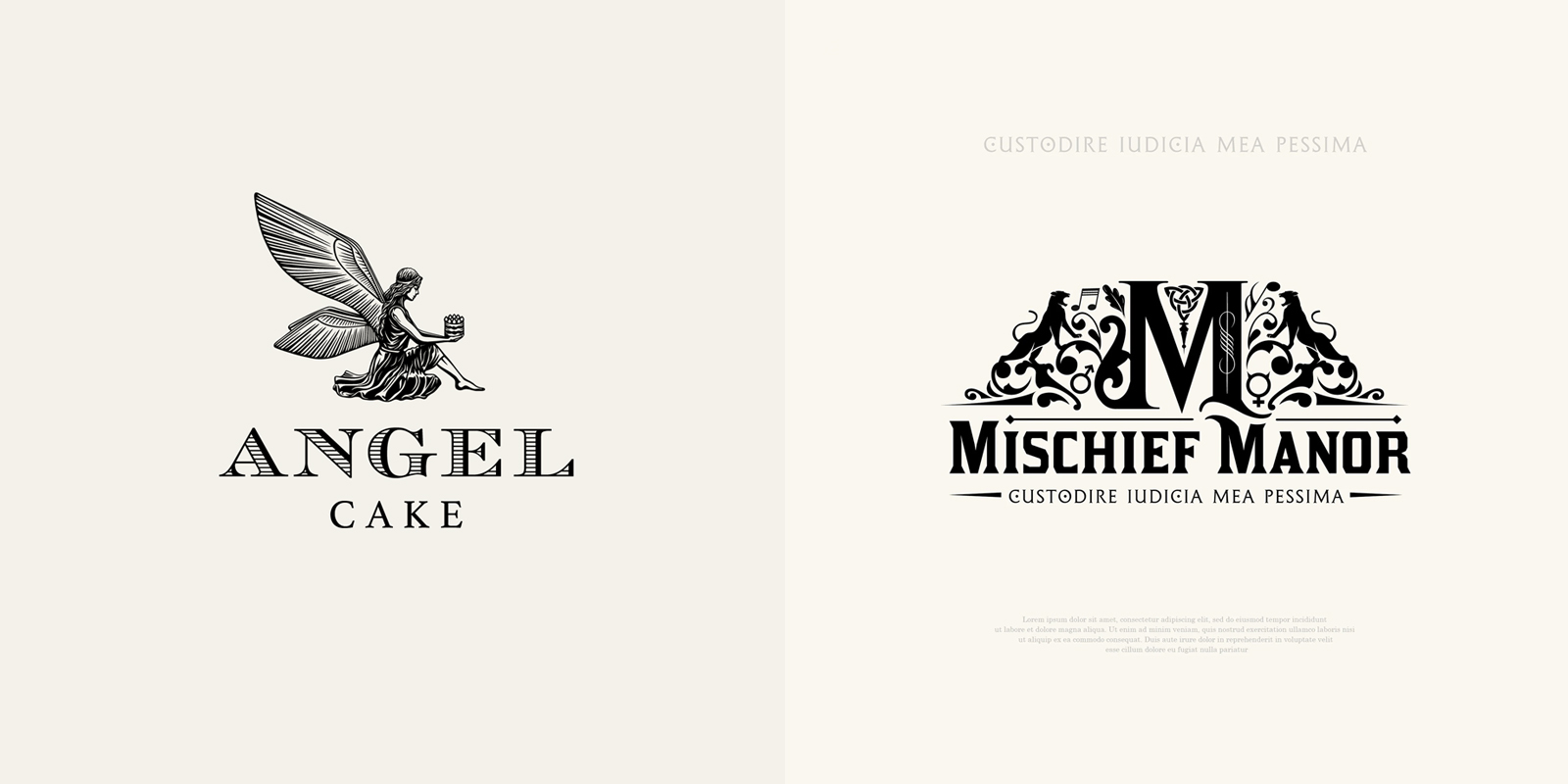
Vintage aesthetics are back, and that includes logo design. Clients in fields from interior design to farming want logos that feel nostalgic and convey established quality. It's not just about copying old styles; it's about using the positive feelings people associate with different times.
AI logo generators like Looka and Tailor Brands make logo creation easy and affordable. But a logo is more than just a picture; it represents a brand's identity and history. This is where AI often misses the mark.
AI logos aren't necessarily bad, but they often lack the depth and purpose a human designer provides. Vintage design needs an understanding of cultural context, era-specific nuances, and storytelling through visuals. AI can copy the style, but not the feeling.
The 'Soul' of a Vintage Design
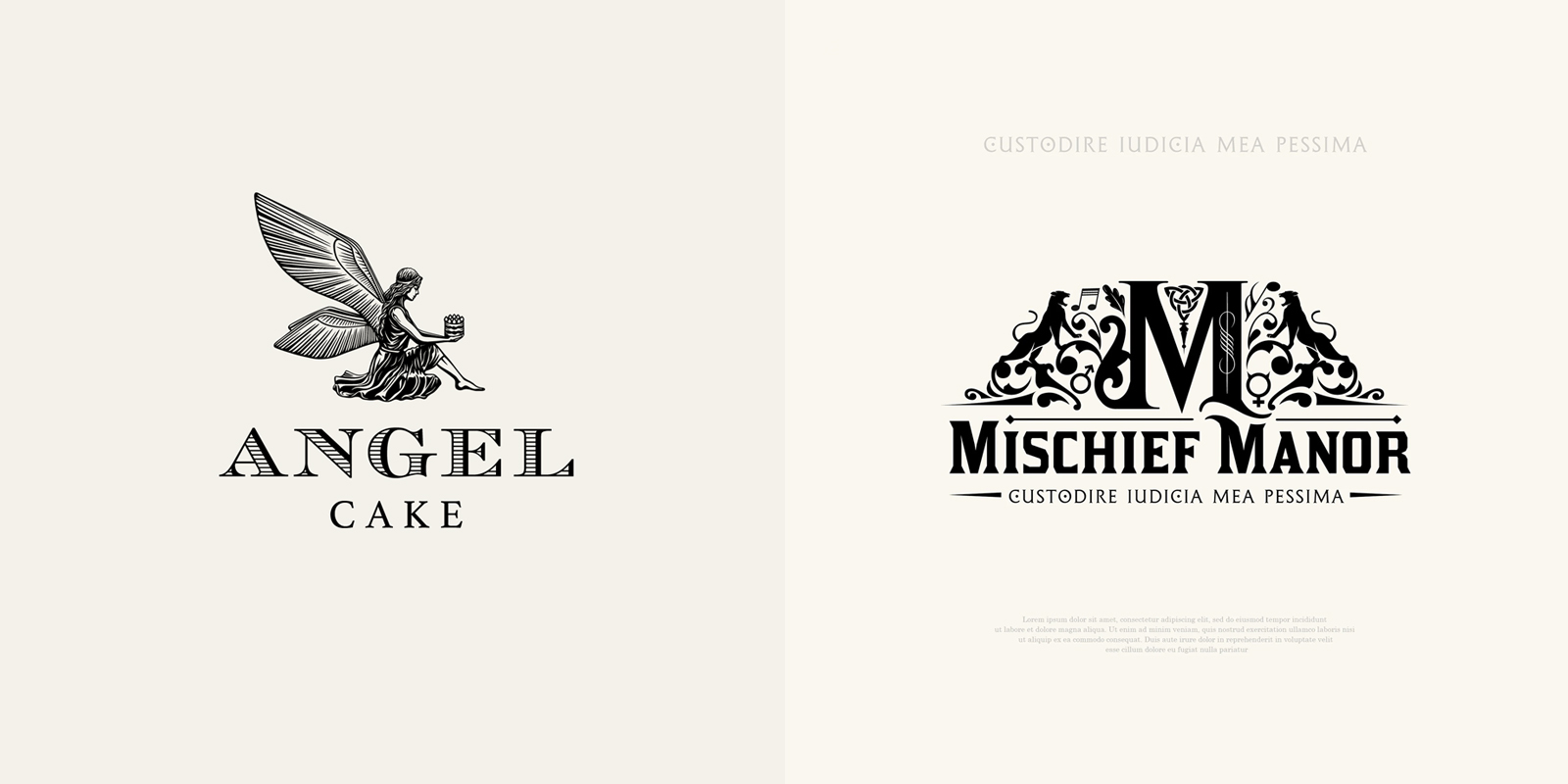
An effective vintage logo goes beyond retro fonts and faded colors. It evokes a specific feeling, time, and authenticity. It requires understanding why certain design choices were popular in an era and how they connect with audiences now.
Our process at Foresight Creative starts with deep research. We ask clients about their company's history, audience, and message, not just their preferred vintage style. For a 1950s diner client, we'd research period signage and tableware to make the logo feel authentic to that era.
This research guides our choices for color, typography, and illustrations. We often add hand-crafted touches, even in digital designs. A slightly imperfect line or textured background adds warmth and authenticity that AI finds hard to match. The goal is a design that feels lived-in, not mass-produced.
A successful vintage logo shows a brand's longevity and character, suggesting quality and respect for tradition. AI can't replicate this storytelling because it has no story of its own.
AI's Limitations: Pattern Recognition vs. Understanding
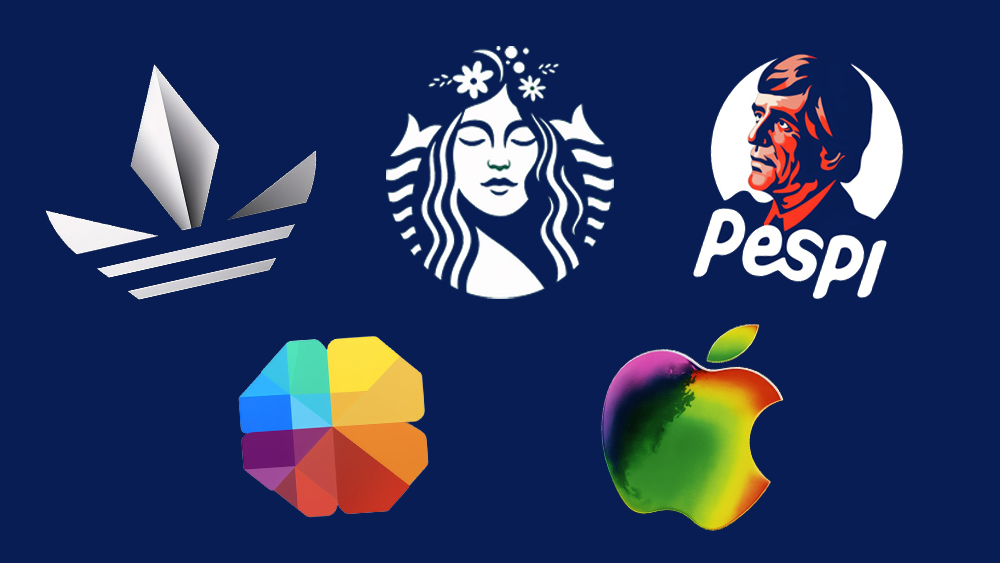
AI logo generators are good at recognizing patterns. They can analyze many vintage logos for common fonts, colors, and styles. But recognizing a pattern isn't the same as understanding why it works. It's like memorizing phrases without knowing the grammar.
The main problem is a lack of conceptual thinking. AI can make a logo look vintage, but it can't give it meaning or purpose. It can't consider the psychological impact of design choices or how they'll affect the audience. It doesn't grasp design history or cultural context.
We've seen many AI vintage logos that feel generic or historically wrong. An Art Deco logo might use fonts not popular in the 1920s, or colors that clash. These mistakes show AI's focus on looks over understanding the style.
The result is often a derivative logo lacking originality. It might grab attention briefly but won't leave a lasting impression or tell the brand's unique story.
- Lack of Historical Context: AI struggles to accurately represent design trends from specific eras.
- Generic Aesthetics: AI-generated designs often feel derivative and lack originality.
- Absence of Conceptual Thinking: A
- Inability to Understand Audience Psychology: AI doesn't consider how design choices will resonate with the target audience.
Foresight Creative's Process: Research & Refinement
Our approach at Foresight Creative combines deep design history knowledge with client collaboration. We begin with a detailed consultation to understand the client's brand, audience, and logo vision. We also research the specific vintage style they want.
Our research goes beyond other logos. We look at historical artifacts, ads, packaging, and other visuals from the era. For a Victorian logo, we'd study period typography, ornamentation, and colors. For a vintage trucking company, we'd research classic truck signage and ads.
Next, we sketch, exploring many concepts. Client feedback and our expertise refine these sketches. We use digital tools to create the designs, focusing on detail and historical accuracy. It's not just about copying a style, but interpreting it for today's market.
The process is iterative, involving multiple revisions. The best logos come from collaboration and experimentation. We don't present one concept and stop. We offer options, listen to feedback, and refine the design until it matches the client's vision.
Specialty Vintage Styles: Beyond the Basics
Foresight Creative offers more than just 'vintage' logos; we specialize in many vintage styles, each needing a unique approach. We've designed Art Deco logos for luxury brands, Victorian designs for tea companies, and Mid-Century Modern logos for furniture retailers.
Our work spans various industries. We've designed vintage logos for trucking companies conveying ruggedness, farming businesses highlighting tradition, and fashion brands using retro trends. We've also created logos for interior design firms that match their aesthetic.
Adapting vintage aesthetics for modern brands needs a careful balance. We aim for logos that feel authentic and timeless, yet also fresh and contemporary. We achieve this by selecting historically appropriate and visually appealing fonts, colors, and illustrations. See examples on our website.
Each style requires different research. A 1980s neon look needs a different approach than a subtle 1920s design. Our team's versatility sets us apart.
- Art Deco: Geometric shapes, luxurious materials, and a sense of glamour.
- Victorian: Ornate details, intricate patterns, and a romantic aesthetic.
- Mid-Century Modern: Clean lines, bold colors, and a focus on functionality.
- 1950s Diner: Retro fonts, bright colors, and a playful atmosphere.
Vintage Design Inspiration: Tools for Timeless Aesthetics

Comprehensive overview of graphic design evolution · Covers influential movements and designers from 1960 to the present · Richly illustrated with iconic examples
This book provides essential historical context and visual inspiration for understanding the development of design aesthetics over the past several decades.

Includes various nibs for different lettering styles · Features ink and a pen holder · Suitable for beginners in calligraphy
This set offers a hands-on introduction to traditional lettering techniques, crucial for achieving authentic vintage typography.

Project-based lessons for learning Photoshop · Covers the latest features and tools in the 2026 release · Includes downloadable practice files
This guide ensures proficiency with industry-standard design software, enabling the precise execution of vintage design elements.
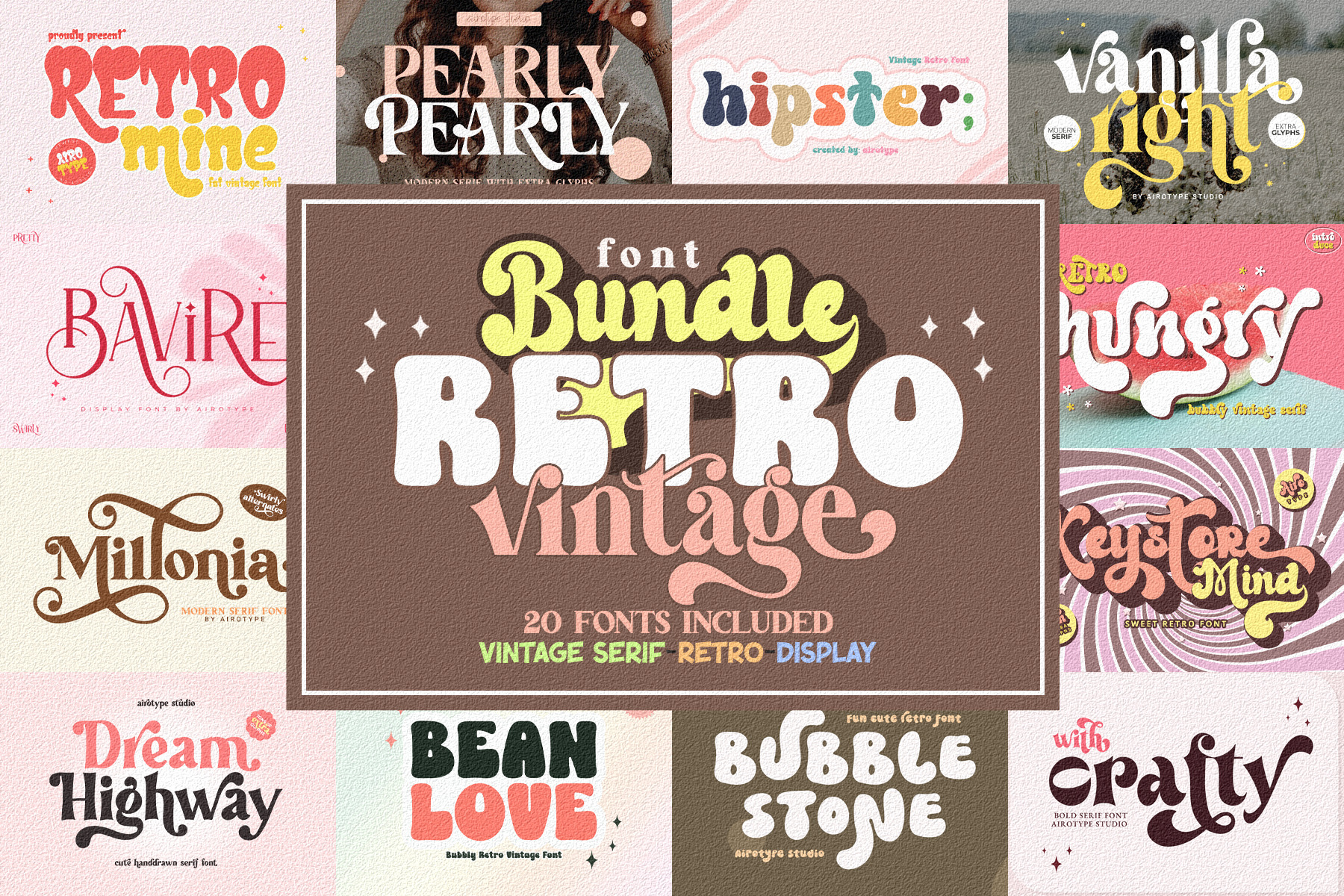
Collection of vintage-inspired font families · Includes various styles like script, serif, and display fonts · Often includes bonus graphics or textures
A curated bundle of retro fonts provides a diverse and authentic typographic toolkit for creating vintage-style logos.

Adjustable brightness LED light · USB powered for portability · Suitable for tracing and transferring designs
This tracing pad is ideal for accurately transferring hand-drawn elements or vintage sketches into digital formats.
As an Amazon Associate I earn from qualifying purchases. Prices may vary.
AI Tools as Assistants, Not Replacements
While human designers are essential for effective vintage logos, AI tools can still be helpful. AI can assist with initial concept generation or color palette ideas. It can also automate tasks like background removal or image upscaling.
These tools should supplement human creativity, not replace it. A skilled designer can use AI to speed up their work, but they must provide the conceptual thinking, artistic vision, and critical judgment that AI lacks.
For instance, we might use AI to generate initial sketches from a client's brief. But we wouldn't just pick
Looking Ahead: The Future of Logo Design
As AI becomes more sophisticated, the role of the designer will continue to evolve. I expect that the emphasis will shift towards conceptual thinking, strategic branding, and the ability to tell compelling stories. Technical skills will remain important, but they’ll become increasingly commoditized.
Human designers will be valued for their creativity, their empathy, and their understanding of cultural context. They’ll be able to connect with audiences on an emotional level and create logos that resonate with their values and aspirations. This is particularly true in the realm of vintage design, where authenticity and storytelling are paramount.
At Foresight Creative, we’re committed to staying at the forefront of design innovation while remaining true to our core values. We believe that human-centered design is more important than ever, and we’ll continue to prioritize collaboration, creativity, and a deep understanding of our clients’ needs. We see AI as a tool to enhance our capabilities, not to diminish them.

No comments yet. Be the first to share your thoughts!