
The AI Art Flood
AI image generation has exploded recently. Tools like Midjourney, DALL-E 2, and Stable Diffusion let anyone create visuals from text prompts. What started as a democratizing force has led to saturation; the internet is filling with AI images that often look remarkably similar.
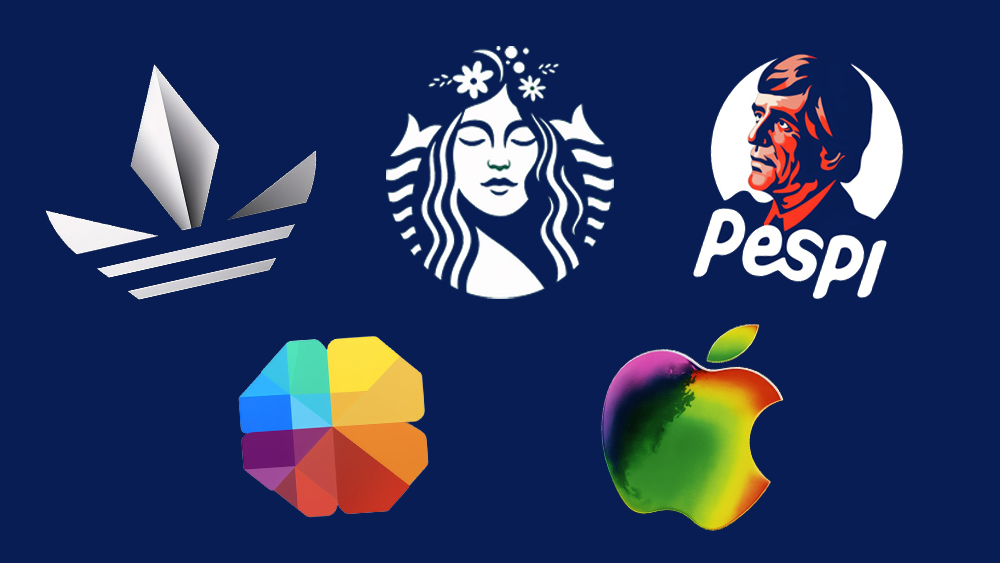
Logos are no exception. AI logo generators offer quick, affordable branding, but the volume of AI designs means a lack of originality. Many feel generic, missing the personality needed to stand out. Ease of creation also brings copyright and trademark concerns.
This flood of AI imagery is driving a counter-movement. People want authenticity in a world dominated by the artificial. This is why human-crafted design, especially vintage styles, is making a comeback. It’s not about rejecting technology, but recognizing its limitations and valuing human designers’ unique qualities.
Why Vintage? A Rejection of the Algorithm
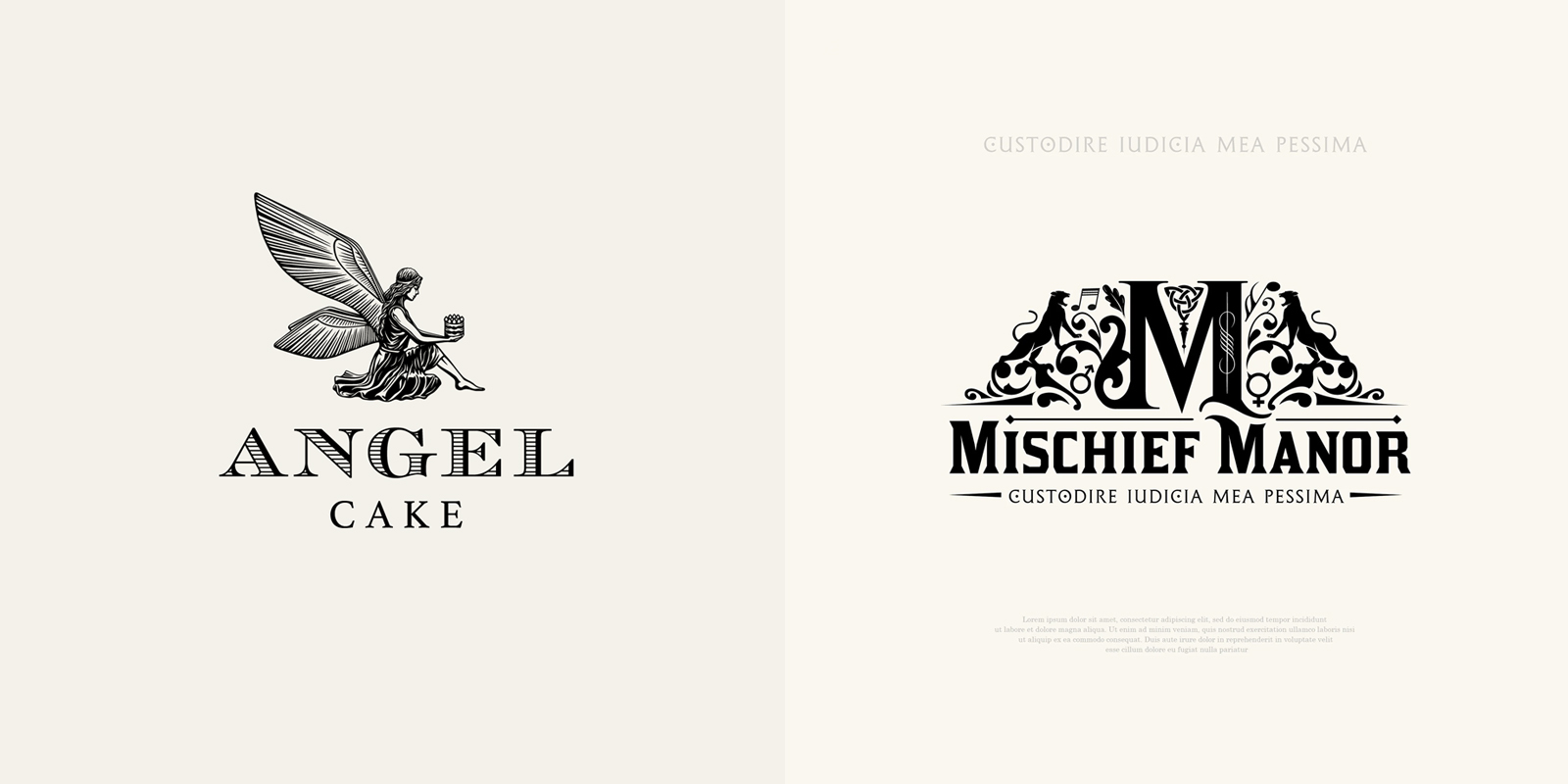
Vintage aesthetics consistently return to popularity, partly due to nostalgia. Vintage designs evoke history, craftsmanship, and trustworthiness. They tell a story, hinting at a legacy and quality that's hard to fake. In a world wary of the ephemeral, these qualities appeal.
AI struggles to replicate this emotional resonance. It can mimic vintage looks—distressed textures, specific color palettes, retro fonts—but not the why. A human designer understands the cultural context, historical influences, and emotional impact of a style, imbuing a design with meaning and personality that an algorithm can’t.
At Foresight Creative, we’ve seen a significant increase in requests for vintage logo designs over the past year. Clients seek authentic, enduring logos that communicate heritage, even for new businesses. We specialize in bringing a human touch to design, crafting logos that are visually appealing and strategically aligned with brand values.
The Limits of AI in Design Nuance
AI excels at pattern recognition and replication but often misses subtle nuances. For example, a vintage logo might use a muted, desaturated color scheme to evoke a specific era. AI can generate similar colors but may not understand why they work together or contribute to the design's mood.
AI also struggles with hand-drawn imperfections. Slight wobbles in a line or subtle texture variations give a design character. AI produces smooth, sterile results lacking a human touch. Typography is also a challenge; AI can select fonts but often lacks the expertise to choose historically accurate and visually harmonious ones.
A logo is more than a pretty picture; it represents a company’s values, mission, and audience. Conveying personality requires deep brand understanding, which an algorithm can only approximate. AI can mimic styles but can’t create something truly unique and meaningful.
AI often misses subtle gradients, appropriate kerning and leading, historically accurate illustration styles, and the intentional use of "imperfections" to create authenticity.
- Subtle gradients
- Appropriate kerning and leading
- Historically accurate illustration styles
- Intentional use of "imperfections"
Foresight Creative's Approach to Vintage
Our process at Foresight Creative begins with deep research. We study the historical context, cultural influences, and design trends of the era we’re emulating. This research informs every aspect of the design, from color palette to typography to composition.
We start with extensive sketching to quickly explore ideas intuitively, without getting bogged down in technical details. Once we have promising concepts, we move to digital design using tools like Adobe Illustrator and Photoshop to refine them. Even with digital tools, we strive to maintain a hand-crafted feel.
Attention to detail is paramount. We select era-appropriate fonts and pay close attention to spacing, alignment, and balance. We experiment with textures and effects to create depth and authenticity, like adding a subtle grain or distressed effect to mimic a vintage print.
We offer vintage styles like Art Deco, Mid-Century Modern, and Victorian. We recently created a 1920s-inspired label for a local brewery and a classic 1950s design for a barbershop. Each project is unique and tailored to the client’s needs.
Beyond Logos: Vintage Branding Elements
A vintage logo is a starting point, but a cohesive brand identity extends the vintage aesthetic to other elements: color palette, typography, illustrations, and website design.
Use a limited color palette inspired by vintage advertising or packaging. Opt for classic serif fonts for headings and body copy. Incorporate hand-drawn illustrations or vintage-inspired patterns. Design your website with textures and layouts that evoke nostalgia.
A consistent vintage brand identity creates a stronger, more memorable experience, helping you stand out, attract your target audience, and build trust. Foresight Creative offers comprehensive branding packages including logo design, color palette selection, typography guidelines, and website design.
Industries Embracing the Retro Look
Several industries are currently experiencing a resurgence of vintage branding. Coffee shops and breweries are particularly drawn to vintage aesthetics, as they evoke a sense of tradition, craftsmanship, and quality. Barber shops and distilleries also benefit from a retro look, as it conveys a sense of heritage and authenticity.
Clothing brands are increasingly using vintage-inspired designs to appeal to consumers who are looking for unique and stylish products. Even some tech companies are embracing the retro look, as it can help them appear more approachable and less corporate. We’ve seen a surprising number of requests from fintech startups looking for a more "human" brand identity.
While trucking and farming haven’t been dominant sectors for vintage logo requests for us, we’ve observed a growing interest in brands wanting to highlight a family history or a commitment to traditional methods. A farm emphasizing multi-generational ownership, for example, might benefit from a logo evoking a bygone era.
The key is to choose a vintage style that is appropriate for your industry and your target audience. A Victorian-era design might be perfect for a tea room, but it wouldn’t be a good fit for a modern tech startup.
Vintage Branding Suitability by Industry - 2026 Outlook
| Industry | Target Audience Connection | Brand Values Alignment | Aesthetic Resonance | Foresight Creative Expertise |
|---|---|---|---|---|
| Interior Design | High | Strongly Aligned | Strongly Aligned | Extensive |
| Trucking | Medium | Somewhat Aligned | Moderate | Established |
| Farming | High | Strongly Aligned | Strongly Aligned | Growing |
| Construction | Medium | Somewhat Aligned | Moderate | Developing |
| Fashion | High | Strongly Aligned | Strongly Aligned | Extensive |
| Sport (Soccer) | Medium | Somewhat Aligned | Moderate | Moderate |
| Financial Services | Low | Weakly Aligned | Low | Limited |
Illustrative comparison based on the article research brief. Verify current pricing, limits, and product details in the official docs before relying on it.
Future-Proofing Your Brand with Timeless Design
Investing in a well-crafted, human-designed vintage logo is not just a fleeting trend; it’s a long-term investment in your brand identity. Unlike trendy, AI-generated designs that quickly look dated, a well-executed vintage logo has a timeless quality that will endure for years to come.
Originality is more important than ever in a world saturated with generic content. A unique and memorable logo will help you stand out from the competition and build a strong brand reputation. Authenticity is also crucial. Consumers are increasingly skeptical of brands that appear inauthentic or contrived.
By partnering with a design agency like Foresight Creative, you can create a brand legacy that will last. We don’t just design logos; we create visual identities that tell a story, connect with audiences, and stand the test of time. A human-crafted logo, rooted in thoughtful design principles, is an asset that will continue to deliver value for years to come.
Focusing on quality and enduring style isn’t just about avoiding the pitfalls of fleeting trends; it’s about building a brand that resonates with customers on a deeper, more meaningful level.

No comments yet. Be the first to share your thoughts!