
The Enduring Appeal of Vintage
Fashion thrives on cycles, with old trends returning, often reimagined. The current vintage interest feels different, though. It’s a deliberate search for authenticity, a pushback against the disposable nature of modern life. Younger consumers especially connect with the stories and character in older aesthetics.
This desire for authenticity directly impacts branding. A vintage logo communicates history, craftsmanship, and lasting quality, implying a brand with heritage, even if it's new. Modern logos, with their clean, minimalist styles, can sometimes feel sterile and impersonal, blending into the background and failing to connect emotionally with consumers.
Vintage logos tap into nostalgia, evoking specific eras and cultural touchstones for positive emotional responses. Think of the Coca-Cola script or the Levi’s two-horse brand. These symbols carry cultural weight, connecting us to a past that feels simpler and more romantic. The goal isn't to return to the past, but to borrow its aesthetics for new resonance.
This trend isn't just about replicating old logos. Designers draw inspiration from mid-century modern, Art Deco, and 70s/80s graphic styles. The commonality is a rejection of the hyper-polished, digital look dominating branding for years. A well-done vintage logo feels human, imperfect, and full of character—qualities highly valued today.
AI Logo Generators: A Quick Look
AI logo generators like Looka, Tailor Brands, and Brandmark make design accessible, offering fast, affordable solutions. They ask users about their brand—industry, style, colors—and generate logo options. These platforms are easy to use, and results can be surprisingly good, especially for budget-conscious startups.
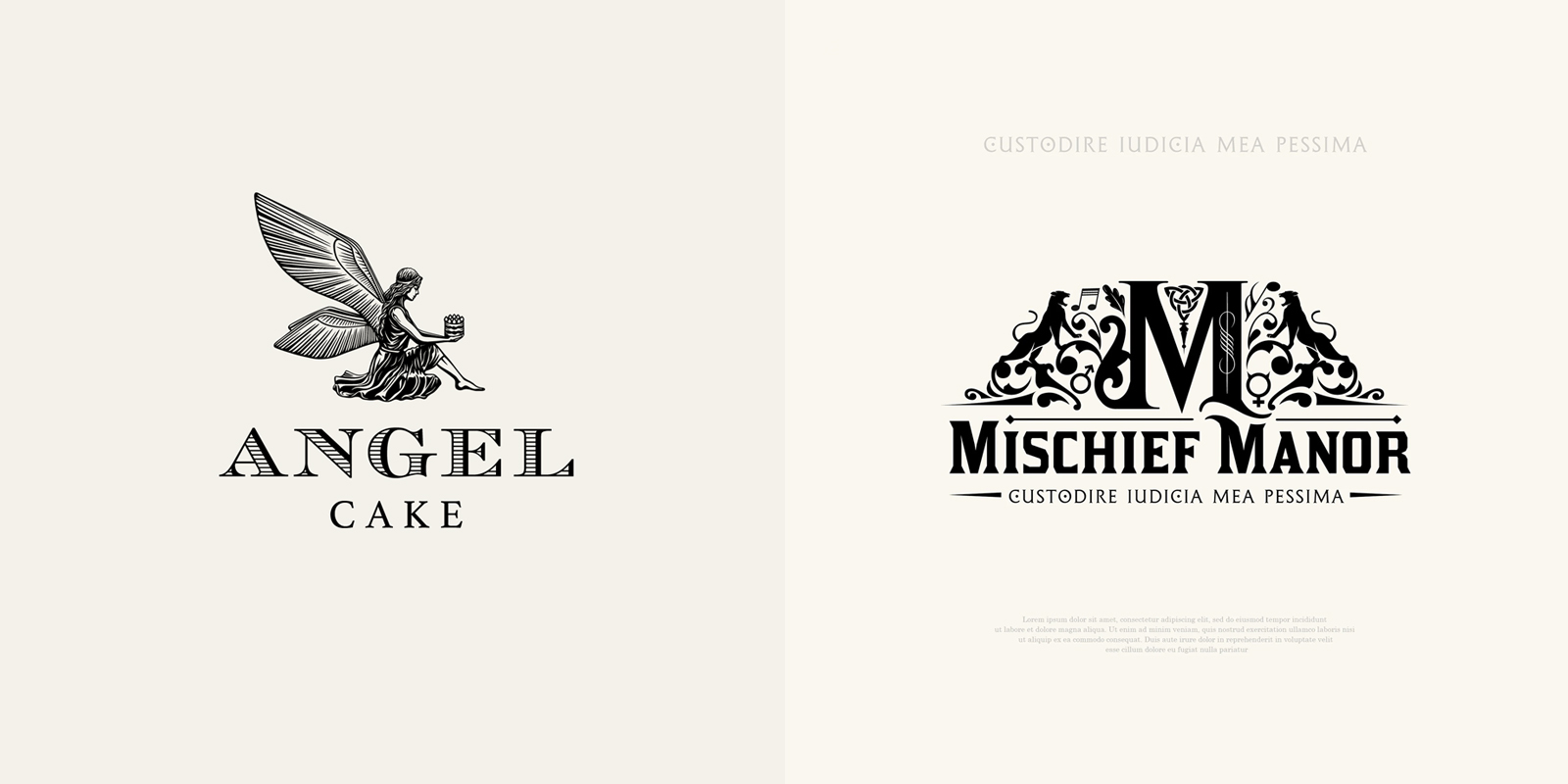
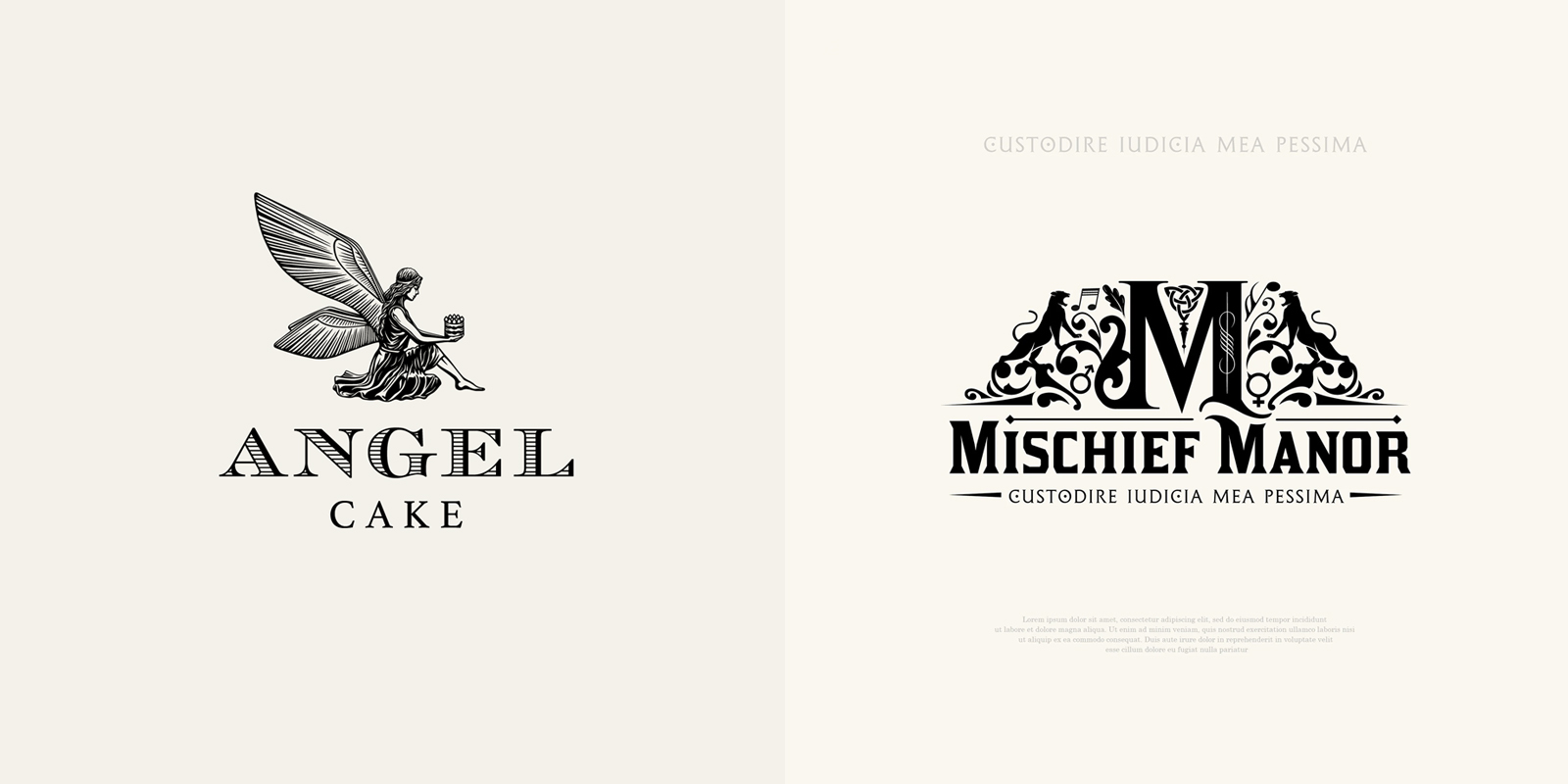
However, vintage styles reveal AI's limitations. Most generators use pre-existing assets and algorithms trained on large logo datasets. While they can mimic vintage elements like distressed textures, retro fonts, or specific palettes, they often miss the essence of authentic vintage design. The results can feel generic, derivative, and unoriginal.
Customization options on these platforms are usually limited. Users can adjust colors, fonts, and layouts, but are often restricted by pre-defined templates and elements. This makes creating a truly unique logo challenging. AI excels at remixing existing styles but struggles with genuine innovation; it's more about selection than creation.
A key issue is the reliance on vectorized assets. While technically sound, these assets often lack the subtle imperfections and hand-crafted feel of authentic vintage design. AI smooths out details, creating logos that appear too clean and polished. This subtle difference significantly impacts the aesthetic. By 2026, design-savvy consumers will notice these flaws.
- Looka: Known for its user-friendly interface and wide range of design options.
- Tailor Brands: Offers a more comprehensive branding suite, including social media assets and website design.
- Brandmark: Focuses on generating unique and memorable logos, often incorporating abstract elements.
Vintage Logo Design Inspiration & Tools for Fashion Brands

Explores the evolution of logo design from modernism to contemporary trends. · Features a comprehensive collection of influential logos. · Multilingual edition for a global perspective.
This book provides essential historical context and visual examples of impactful logo design, crucial for understanding the enduring appeal of vintage aesthetics in fashion branding.

Oversized, acid-washed t-shirt with a vintage aesthetic. · Allows for personalization with custom photos, logos, or text. · Suitable for both men and women, offering a streetwear vibe.
This product offers a tangible way for readers to experience custom vintage design by creating their own personalized apparel, demonstrating the power of unique branding elements.

PU leather padfolio for professional organization. · Customizable with personal logo, text, or image. · Ideal for business, interviews, and note-taking.
This padfolio highlights the importance of personalized branding in professional settings, mirroring how custom vintage logos elevate a fashion brand's identity and recognition.

Showcases 25 iconic fashion looks from vintage eras. · Provides guidance on how to recreate these styles. · Focuses on the enduring influence of past fashion trends.
This guide delves into the aesthetics of vintage fashion, offering inspiration and insight into the visual elements that contribute to timeless style, directly relevant to vintage logo design principles.

Comprehensive guide to creating a strong brand identity. · Covers graphic design, logo creation, and marketing strategies. · Aimed at designers seeking to build effective brands.
This book offers foundational knowledge in brand identity creation, emphasizing the strategic importance of logo design, which is essential for understanding why custom vintage logos remain a powerful tool for fashion brands.
As an Amazon Associate I earn from qualifying purchases. Prices may vary.
The Nuances AI Misses in Vintage
Creating an effective vintage logo requires more than just filters or retro fonts. It demands a deep understanding of design history, cultural context, and the subtle details that convey authenticity. AI, despite its power, lacks this nuanced understanding. It can replicate vintage appearance but not grasp its underlying principles.
Consider the Art Deco movement of the 1920s and 30s. A successful Art Deco logo captures the era's optimism, glamour, and sophistication, not just its geometric shapes and stylized typography. It involves understanding influences like Egyptian art, jazz music, and technological progress. AI can generate geometric shapes but cannot imbue a logo with that cultural resonance.
Typography is another key element. Vintage logos often use typefaces popular in specific periods. Choosing the right font is essential, but a skilled designer also considers kerning, leading, and tracking for visual balance. AI often defaults to generic fonts or struggles with fine-tuning typography. Intentional imperfections, like slightly uneven baselines or subtle letterform variations, are frequently lost.
Color palettes are also important. Vintage logos often use muted tones, earthy colors, and a limited range of hues. AI logos tend to be overly saturated and vibrant, struggling to replicate the faded, distressed look of vintage colors. A human designer considers the psychological impact of colors and their contribution to the aesthetic. Filson's branding, for instance, uses a color palette integral to its rugged, heritage feel.
Foresight Creative's Approach to Vintage
At Foresight Creative, we believe an exceptional vintage logo comes from collaboration, blending research, creativity, and deep brand understanding. We craft solutions, not just options. Our process starts with exploring the client's brand identity, audience, and market. We aim to understand their story and how a vintage logo can help tell it.
Next, we research vintage styles aligning with the brand’s aesthetic and values. We explore if they prefer Art Deco elegance, Mid-Century Modern simplicity, or bold 1970s graphic design. We gather inspiration from historical logos, vintage ads, and cultural artifacts, focusing on understanding principles to apply them freshly and innovatively.
Our designers sketch concepts and compositions, experimenting and refining their approach. We present these sketches to the client for feedback and iteration, ensuring the final logo captures their vision. We use a hands-on method, starting with physical sketches before moving to digital tools.
We specialize in Art Deco, Mid-Century Modern, and retro Americana styles. For fashion brands, we create logos evoking timelessness, quality, and sophistication, paying close attention to typography, color palettes, and subtle details for authenticity and memorability. We build brand identities that resonate with consumers.
Fashion Brands Prioritizing Authenticity
Fashion brands successfully use vintage-inspired logos for identity. Reformation, known for sustainable clothing, uses a simple logo with a classic serif typeface and muted palette, conveying timeless elegance and understated luxury. It subtly communicates their commitment to quality and craftsmanship.
Everlane, a direct-to-consumer brand emphasizing transparency and ethical production, draws inspiration from mid-century modern design for its clean, minimalist logo. It conveys honesty, simplicity, and authenticity—values central to the brand. While not flashy, the logo effectively communicates the brand's core message.
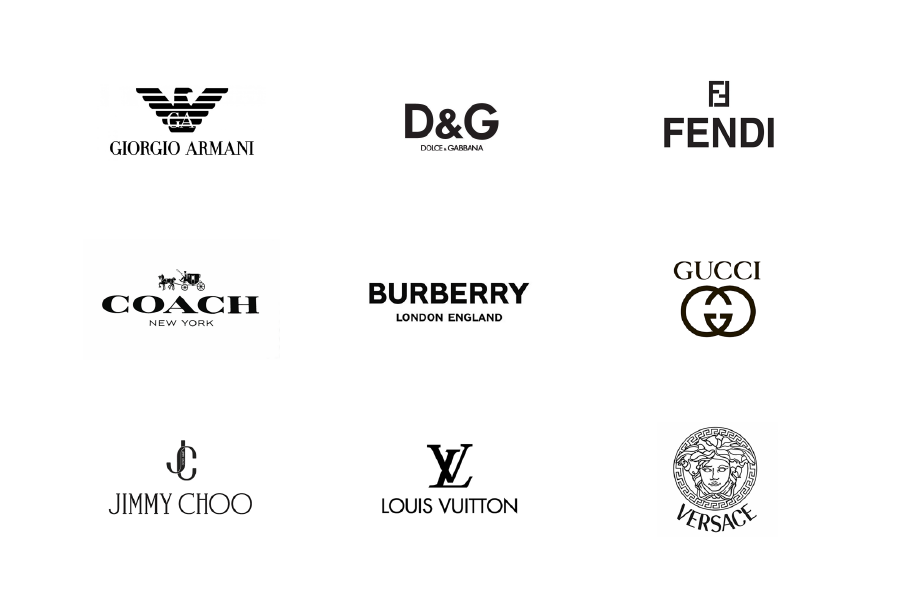
undefinedve successfully blended vintage cues with a modern sensibility.
These brands understand that a logo isn’t just a visual identifier; it’s a powerful symbol that communicates a brand’s values and personality. By embracing vintage aesthetics, they’re tapping into a growing consumer desire for authenticity, quality, and enduring style.
Beyond the Logo: Brand Consistency
A logo is just one piece of the puzzle. To truly build a strong brand identity, it’s essential to extend the vintage aesthetic across all brand touchpoints. This includes website design, packaging, social media, and marketing materials. A cohesive brand identity feels authentic and consistent, reinforcing the brand’s message and values.
For example, if a brand is using a vintage-inspired logo, they should also consider using vintage-inspired photography, illustrations, and typography in their marketing materials. They might also choose to use a muted color palette and distressed textures to create a cohesive visual aesthetic. The goal is to create a brand experience that feels immersive and authentic. Consistency is key – every interaction with the brand should reinforce the vintage aesthetic.
Foresight Creative offers comprehensive brand development services that go beyond logo design. We can help clients create a complete brand identity that is consistent, compelling, and effective. Our team of designers and strategists can work with you to develop a visual language, tone of voice, and overall brand strategy that resonates with your target audience.
Looking Ahead: The Future of Fashion Branding
I anticipate the demand for authentic, human-crafted design will continue to grow, particularly in the fashion industry. Consumers are becoming increasingly discerning and are looking for brands that offer more than just products. They want brands that have a story to tell, values to stand for, and a commitment to quality and craftsmanship.
AI will undoubtedly become a more powerful tool for designers, automating repetitive tasks and providing new creative possibilities. However, it won’t replace the need for creative vision and strategic thinking. The most successful brands will be those that can leverage both AI and human designers to create compelling brand identities. A hybrid approach – using AI to enhance, not replace, human creativity – seems the most likely outcome. The human element will remain crucial for ensuring authenticity and emotional resonance.

No comments yet. Be the first to share your thoughts!