
How we chose the 2026 logo trends
We tracked emerging visual signals from construction, fashion, and trucking brands to identify where the market is heading. The goal was to separate fleeting aesthetics from structural shifts in brand identity.
Selection criteria focused on three factors: versatility across digital and physical media, alignment with the 2026 minimalist and vintage resurgence, and practical application for B2B and B2C sectors. We prioritized trends that offer clear implementation paths rather than abstract concepts.
Each trend represents a distinct approach to visual communication. We evaluated these based on their ability to convey trust, heritage, or innovation depending on the industry context.
5 Logo Design Trends for 2026: Why Minimalist and Vintage Styles Dominate Construction, Fashion, and Trucking Brands
Minimalist and vintage aesthetics are reshaping brand identity across construction, fashion, and trucking sectors in 2026. These five trends prioritize durability and timelessness over fleeting novelty, offering concrete design strategies for high-visibility industries.
1. Geometric Construction Marks
Heavy industries are stripping away complex illustrations in favor of sharp, stable geometry. Think of a logo as a foundation: it must look unshakable under pressure. Brands use bold, interlocking shapes to convey reliability and structural integrity. This trend appeals to construction firms wanting to project strength without visual clutter. The result is a clean, memorable mark that scales well across signage and digital platforms.

2. Retro Trucking Typography
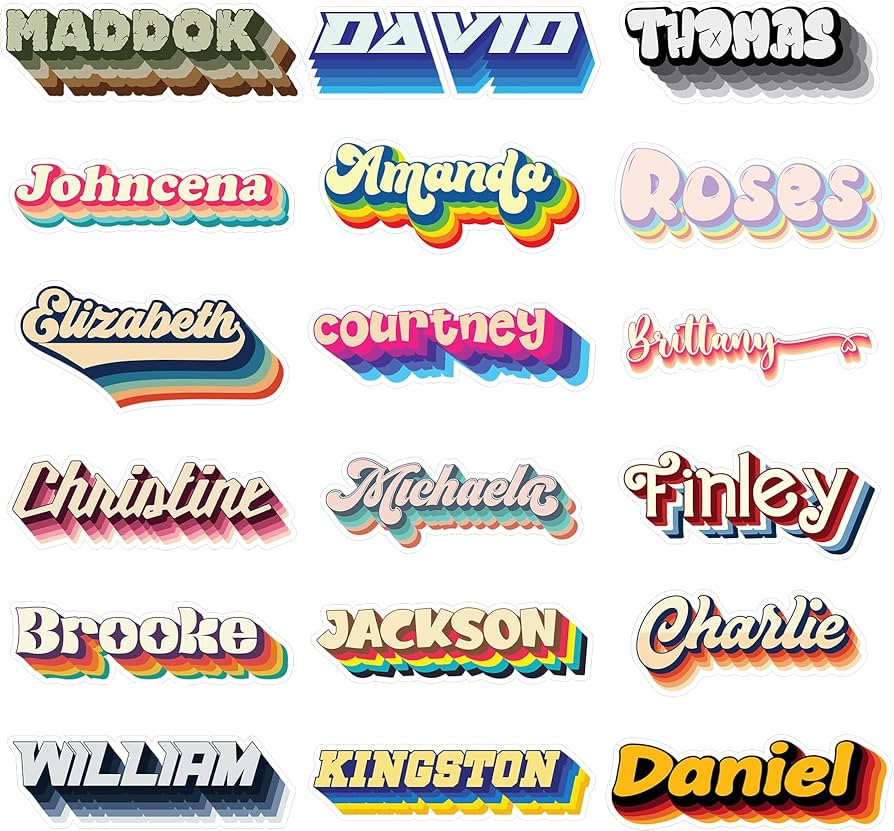
The trucking industry is embracing vintage typography that nods to mid-century Americana. This style uses bold, slab-serif fonts reminiscent of old highway signs and classic diesel trucks. It evokes a sense of heritage and rugged durability. By combining nostalgic lettering with modern color palettes, brands create an emotional connection with drivers and logistics managers who value tradition and dependable service in their transport partners.
3. Sustainable Fashion Monograms
Fashion brands are merging minimalist aesthetics with eco-conscious messaging through elegant monograms. These designs use fine lines and negative space to suggest luxury without waste. The focus is on subtlety, allowing the brand name to speak for itself through refined typography. This approach resonates with consumers who prioritize sustainability and understated elegance, making the logo a quiet statement of ethical values and high-quality craftsmanship in the apparel market.
4. Abstract Tech-Construction Hybrids
Construction tech companies are blending industrial grit with digital abstraction. Logos feature fragmented lines or pixelated edges that suggest both physical building and software innovation. This hybrid style signals that a brand is modernizing traditional trades through technology. The visual tension between rigid structures and fluid digital elements creates a dynamic identity. It appeals to forward-thinking firms that want to stand out as innovators in a historically conservative industry, attracting tech-savvy clients.
5. Hand-Drawn Artisan Badges
Artisanal brands, including boutique fashion and local construction contractors, are adopting hand-drawn badge styles. This trend emphasizes authenticity and human touch in a digital world. The slight imperfections in the lines convey craftsmanship and attention to detail. It creates a warm, approachable brand personality that contrasts with sterile corporate logos. This style works well for businesses wanting to highlight their unique story and personal commitment to quality, fostering deeper customer loyalty and trust.

Pick the right fit
Use this section to make the Top 5 Logo Design Trends for decision easier to compare in real life, not just on paper. Start with the reader's actual constraint, then separate must-have requirements from details that are merely nice to have. A practical choice should survive normal use, maintenance, timing, and budget. If a recommendation only works in an ideal situation, call that out plainly and give the reader a fallback path.
-
Verify the basicsConfirm the core specs, condition, and fit before comparing extras.
-
Price the downsideLook for the repair, maintenance, or replacement cost that would change the decision.
-
Compare alternativesCheck at least two comparable options before treating one listing as the benchmark.
5 logo design trends for 2026: why minimalist and vintage styles dominate construction, fashion, and trucking brands: what to check next
Helpful gear
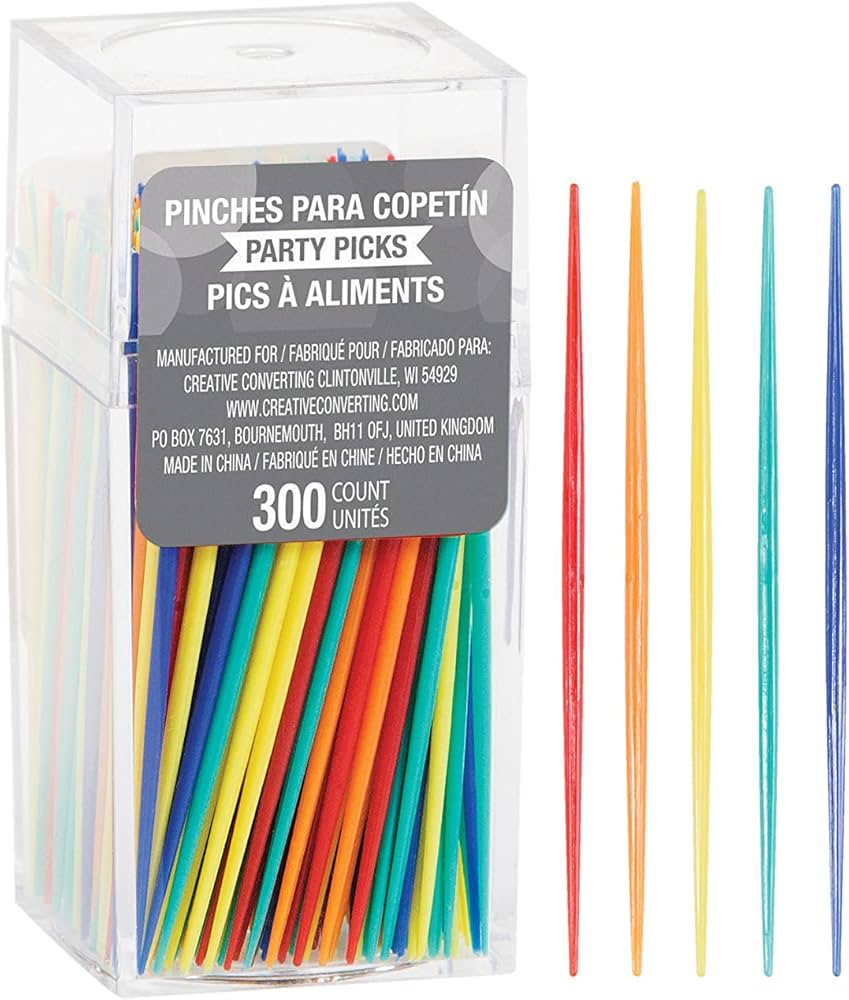
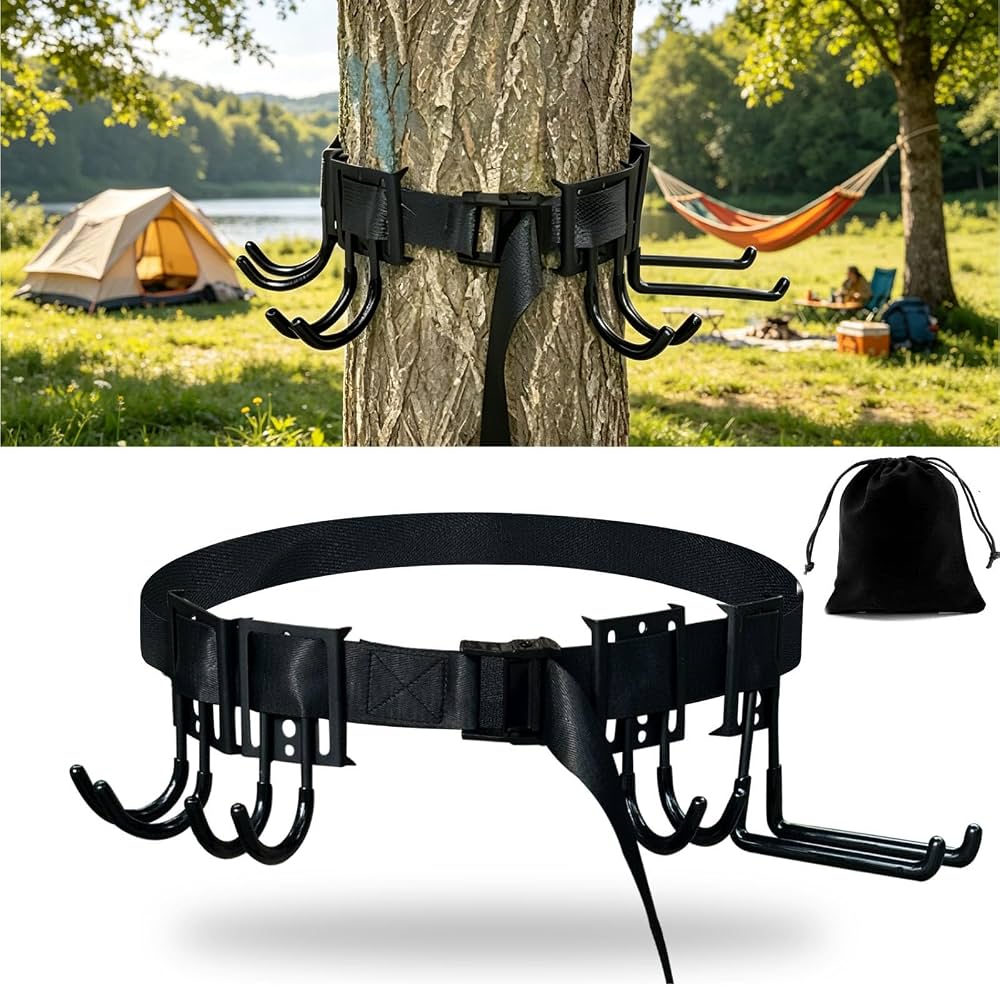
Use these product recommendations as a starting point, then choose the size, material, and price point that fit how you actually use the gear.
As an Amazon Associate, we may earn from qualifying purchases.
No comments yet. Be the first to share your thoughts!