
Logos as part of the room
The most significant shift in interior design logos for 2026 isn’t about a single style, but a fundamental change in how logos function. They’re evolving from standalone brand markers to integral components of the overall spatial experience. We're seeing a move towards designs that aren’t just visually appealing, but actively contribute to the feeling of a space. This is about design harmony—the way a logo resonates with the textures, colors, and overall atmosphere of an interior.
For years, logos were primarily designed for digital platforms or print materials. Now, interior designers and brands are recognizing the power of a logo to enhance a physical environment. Think about a boutique hotel: the logo isn't just on the keycard; it’s subtly embossed on the wallpaper, etched into the reception desk, and illuminated as a sculptural element in the lobby. It’s a holistic approach to brand identity.
I believe this trend is driven by a desire for more immersive and meaningful experiences. People are seeking spaces that evoke emotion and connection, and the logo plays a crucial role in shaping that perception. A well-integrated logo can reinforce a brand’s values, create a sense of place, and ultimately, leave a lasting impression. It's about building a cohesive brand story that extends beyond the visual and into the tactile and emotional realm.
Biophilic branding and nature
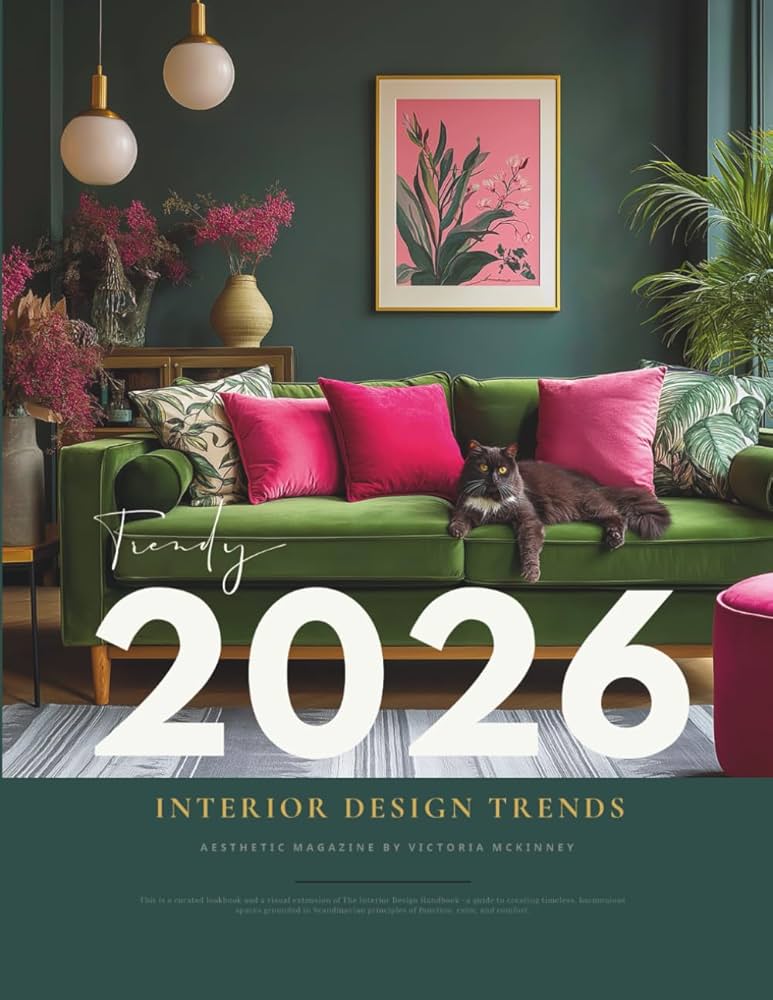
Biophilic design—incorporating natural elements into the built environment—has been steadily gaining momentum for years, and its influence on logo design is now undeniable. Expect to see more logos that feature leaves, branches, wood textures, and earth tones. This trend isn't merely aesthetic; it’s rooted in the understanding that exposure to nature has a calming and restorative effect on the human psyche.
Wellness and sustainability brands are leading this. A furniture maker might use a logo that looks like a wood grain or a leaf, using forest greens and muddy browns. People are looking for this; search data shows a massive spike in interest for 'organic' branding styles that don't feel corporate.
I anticipate a shift away from rigid, geometric shapes towards more organic forms. Think flowing lines, asymmetrical compositions, and natural gradients. The goal is to evoke a sense of growth, harmony, and connection to the natural world. This isn't just about looking natural; it's about feeling natural, creating a logo that feels grounded and authentic.
The Return of Texture: Tactile Logos
In a world increasingly dominated by smooth, digital interfaces, there's a growing desire for tactile experiences. This translates to logo design through the suggestion of texture—even if the logo is purely digital. Designers are experimenting with layering, subtle gradients, and visual effects that mimic the look of materials like stone, fabric, or wood.
This isn’t about adding actual texture to a logo file (which can create problems with scalability), but about creating the illusion of texture. Think of a logo that appears to be subtly embossed or debossed, or one that uses gradients to simulate the sheen of polished metal. It's about adding depth and visual interest.
I'm seeing a lot of designers drawing inspiration from traditional craftsmanship. Logos are beginning to resemble hand-carved woodblocks, woven textiles, or textured plaster. It’s a reaction against the overly-polished, clinical aesthetic that has been prevalent in recent years. It’s about bringing back a sense of warmth and authenticity.
- Gradients that look like brushed brass or silk
- Layering effects to create depth
- Visuals that look like hand-carved wood or stamped clay
Material & Logo Pairings
- Linen - Evokes a sense of natural texture and relaxed elegance. Logos utilizing subtle grain patterns or a slightly off-white color palette can mirror this. Consider the logo for Studio McGee, which utilizes a simple, clean typeface and a neutral color scheme reminiscent of natural fibers.
- Concrete - Represents modernity, industrial chic, and durability. Logos can incorporate geometric shapes and a grayscale color scheme. The branding for Brooklinen, while not directly concrete-focused, uses a strong, sans-serif font and a minimalist aesthetic that aligns with the material's modern feel.
- Velvet - Suggests luxury, comfort, and sophistication. Logos can employ flowing lines, rich jewel tones (emerald, sapphire, ruby), or a slightly blurred effect to mimic the fabric's softness. Look to the branding of high-end furniture retailers like Restoration Hardware, which leans into a refined, opulent aesthetic.
- Wood (Walnut/Oak) - Conveys warmth, authenticity, and natural beauty. Logos can utilize earthy tones, organic shapes, or wood-grain inspired patterns. The West Elm logo, with its simple tree icon, subtly references natural materials and a connection to the outdoors.
- Marble - Represents timelessness, luxury, and refinement. Logos can incorporate swirling patterns, cool gray tones, or a polished, reflective effect. The branding for many luxury hotel chains, such as The Ritz-Carlton, often features visual elements that allude to marble’s classic elegance.
- Rattan/Wicker - Evokes a bohemian, natural, and relaxed vibe. Logos can use woven patterns, earthy color palettes, and hand-drawn elements. Brands like Serena & Lily utilize a coastal aesthetic with natural textures, reflected in their logo’s simplicity and organic feel.
- Leather - Suggests quality, durability, and a classic aesthetic. Logos can utilize embossed effects, rich brown tones, or a slightly distressed appearance. The branding for companies specializing in high-end leather goods, such as Hermès, often showcases the material’s texture and craftsmanship.
Quiet luxury and simple monograms
The 'quiet luxury' trend—characterized by understated elegance, refined simplicity, and a focus on quality—is having a significant impact on logo design. Logos are becoming less about overt branding and more about subtle signaling of value and sophistication. This is particularly relevant for high-end interior design firms and brands targeting a discerning clientele.
Monograms are making a strong comeback, but they’re a far cry from the ornate, Victorian-era monograms of the past. These new monograms are streamlined, geometric, and often rendered in minimalist typography. They prioritize clarity and legibility over embellishment. It’s about communicating exclusivity through restraint.
This style relies on restraint. A luxury firm might use a thin, sharp monogram in charcoal or sand rather than a bright, heavy icon. It is a way to signal quality without being loud. Forsite Creative uses this approach, building environments where the branding is almost invisible but still feels expensive.
Earth tones and muted palettes
Color plays a crucial role in shaping the mood and atmosphere of an interior space, and logo design is reflecting this. Earth tones—terracotta, ochre, olive green, and warm browns—are dominant, as are muted pastels and grayscale palettes. These colors evoke feelings of calm, warmth, and connection to nature.
The psychological effects of color are well-documented. Earth tones are associated with stability, grounding, and authenticity. Muted pastels convey a sense of serenity and tranquility. Grayscale palettes communicate sophistication and timelessness. Designers are carefully selecting colors that align with the desired emotional response.
I think we’ll see less reliance on bright, attention-grabbing colors and more emphasis on creating a sense of harmony and balance. Logos will be designed to complement the overall color scheme of the interior space, rather than competing with it. This isn’t about avoiding color altogether, but about using it strategically to enhance the overall experience.
2026 Interior Design Color Palettes by Mood
Data: AI-generated estimate for illustration
Geometric Abstraction: Softened Edges
Geometric shapes continue to be relevant in logo design, but they’re undergoing a transformation. The harsh, rigid geometry of the past is giving way to softer, more organic forms. Think rounded corners, overlapping shapes, and asymmetrical compositions.
This trend reflects a desire for balance between structure and fluidity. It’s about creating designs that feel both intentional and organic, both grounded and dynamic. Designers are using geometric abstraction to create a sense of movement and depth, while still maintaining a sense of visual harmony.
It's a subtle shift, but a significant one. We're moving away from perfect symmetry and towards more natural, imperfect forms. This creates a sense of warmth and approachability, making the logo feel less sterile and more inviting.
Brand identity done. Axen. A health analytics brand built around the molecule. Letter A, redesigned. Clean, precise, alive.
— Bodhi (@bodhivdv) April 14, 2026
Open for projects, send me a message. pic.twitter.com/mTbgv8Qwb6

No comments yet. Be the first to share your thoughts!