
Construction Logos: A Shift in Foundation
Construction logos used to be predictable: bold fonts, strong colors like orange or yellow, and literal imagery like hard hats or buildings. These designs aimed to project strength and reliability. But the industry and its clients are changing, moving away from these traditional styles.
Minimalism is now taking hold. It refines identity, reflecting changing values like sustainability and innovation, and a client experience prioritizing trust and collaboration. Clients expect a modern, forward-thinking brand experience.
Digital marketing drives this shift. Logos need to work across many platforms. Complex designs get lost on mobile or social media, while simplified ones cut through the noise. Clients expect a polished digital presence, and the logo is often the first impression.
The 2026 Forecast: Seven Emerging Trends
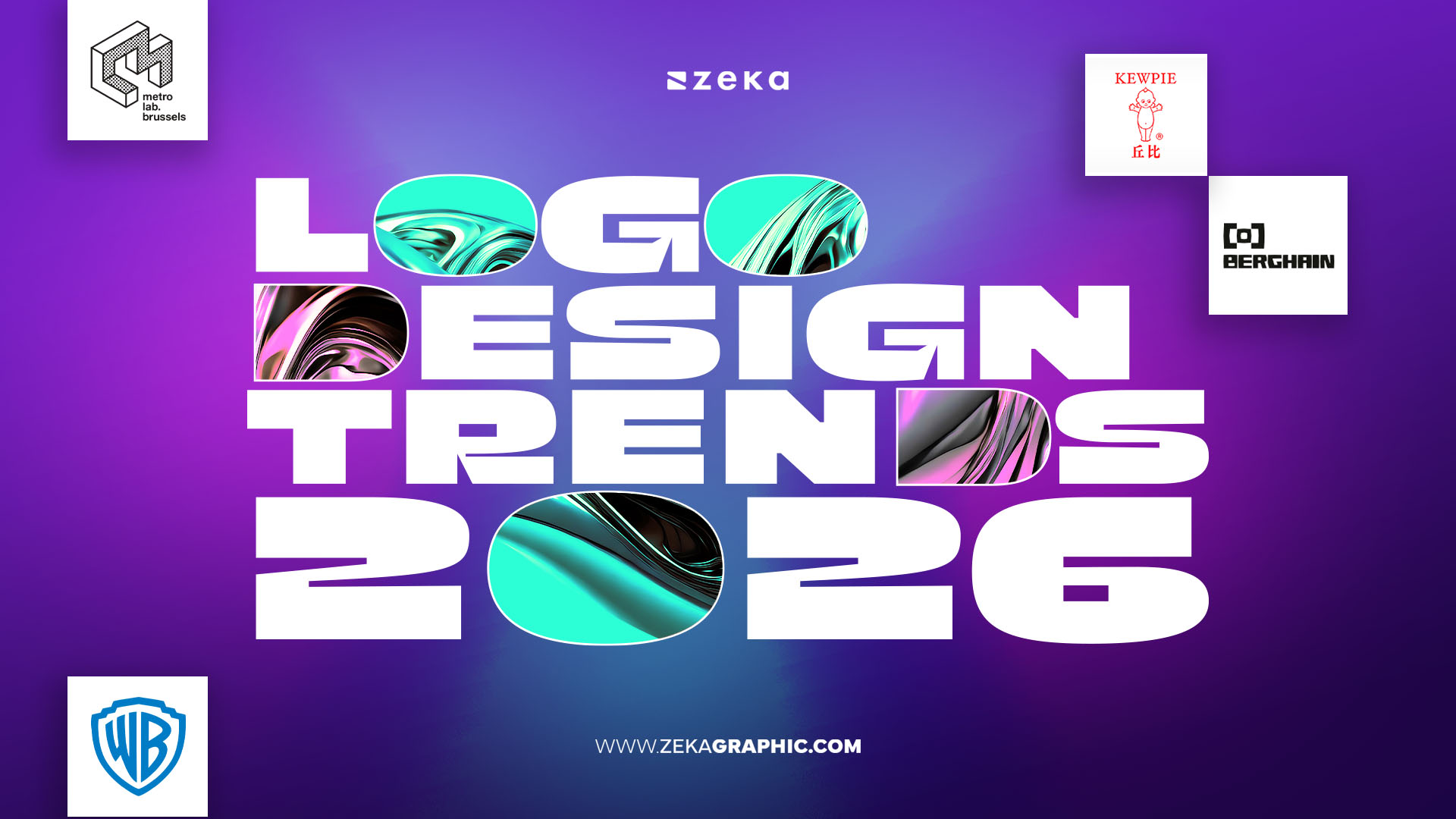
Several graphic design trends, highlighted by Radigitalhub.in, will reshape construction branding in 2026. Understanding why these trends resonate with the industry's direction is key. Logos are increasingly communicating sophistication, efficiency, and modern practices.
Geometric Abstraction is gaining traction. Forget literal depictions of buildings. Instead, logos are utilizing abstract shapes and lines to suggest structure, stability, and innovation. This speaks to the engineering precision inherent in construction. Negative Space is another powerful tool. Cleverly utilizing the space around shapes to create hidden imagery or symbolism can add a layer of intrigue and memorability.
Color palettes are becoming more nuanced. While orange and yellow remain, Muted Color Palettes like grays, blues, and greens are popular, conveying trust, reliability, and competence. Variable Fonts offer flexibility for dynamic logo applications across media, with a single font family creating various visual styles.
Subtle Gradients, delicate and almost imperceptible, add depth and dimension without overwhelming the design, giving a logo a premium feel. Humanized Branding is also effective. Construction involves people, and logos evoking approachability and collaboration build stronger client connections.
Finally, we’re seeing a greater emphasis on Monoline Logos. These designs, created using a single line weight, are incredibly clean, modern, and versatile. They work well in a variety of applications and project a sense of simplicity and efficiency. The key is to remember that these aren't isolated trends. They often work best when combined thoughtfully.
These trends respond to a changing market. Clients want capable companies committed to innovation and a forward-thinking approach. These logo design trends help convey that message.
Minimalism & Trust: Why Less Is More
Minimalist logo design appeals to our brains' natural draw to simplicity. Cluttered logos can be overwhelming, while clean designs are easy to process and convey clarity and control. This is important in the construction industry, where trust is paramount.
You're entrusting a company with a significant investment – your home, your building, your future. You need to feel confident they are competent, reliable, and capable. A minimalist logo projects efficiency and precision, suggesting the company is organized, detail-oriented, and focused on quality.
While definitive data on logo complexity and perceived risk in construction is scarce, studies in other industries show a correlation between simplicity and trust. A 2018 University of British Columbia study found consumers perceive brands with simpler logos as more trustworthy and reliable. This principle likely applies to construction.
Modern Design Agency: Black and Red Minimalist Furniture
— PromptDen (@promptden) May 22, 2025
Checkout more 👉 https://t.co/LURrJybtD4#midjourney #ai #aiart #aidesign #design #minimalist #vibes #sleek #sophisticated #agency pic.twitter.com/lQjb5H4PMp
Color Theory for Concrete & Steel
Beyond traditional orange and yellow, a more sophisticated color palette is emerging in construction branding. While those colors remain relevant for safety and visibility, many companies opt for nuanced shades conveying different messages. Blues evoke trust, stability, and professionalism.
Grays communicate sophistication, strength, and reliability, with different shades creating depth. Greens are also appearing, particularly for sustainable building, conveying growth, environmental responsibility, and a commitment to the future.
Choose colors that align with the company’s values and specialization. A high-end residential firm might use muted grays and blues, while a heavy civil engineering company might prefer bolder grays and reds.
Typography: The Unsung Hero
Typography is a critical element of logo design. The right typeface reinforces a company’s brand message and creates a lasting impression. For construction logos, legibility and readability are paramount on job site signage and vehicle wraps. The font must be clear and easy to understand from a distance.
Both serif and sans-serif fonts work, depending on the aesthetic. Sans-serif fonts like Montserrat, Open Sans, and Roboto convey modernity and efficiency. Serif fonts like Playfair Display or Raleway add classic elegance. Font weight and style are also crucial: bold weights convey strength, while lighter weights suggest precision.
Geometric sans-serif fonts are popular for their clean, modern feel, reflecting work precision. Ultimately, the best typeface represents the company’s brand identity and target audience.
Logos in Motion: Animation & Digital Presence
A static logo is no longer enough in the digital landscape. Animated logos are becoming popular, adding dynamism and memorability. For minimalist logos, animation can be effective; subtle transitions and micro-interactions bring a logo to life without overwhelming the design.
For example, a simple geometric shape could rotate or expand, or a line could draw itself. Keep the animation subtle and purposeful; it should enhance, not distract. Logo scalability is also crucial, ensuring it looks good on large billboards and small mobile screens.
Consider how the logo will be used across digital platforms like websites, social media, and email marketing. A well-designed logo should adapt to different sizes and formats without losing impact. Animated logos are effective on social media, capturing attention and increasing engagement.
Beyond the Logo: Brand Consistency
A great logo is one piece of the puzzle. Maintain brand consistency across all marketing materials, using the same colors, fonts, and imagery on business cards, letterhead, websites, and social media. Brand guidelines are crucial for ensuring consistency, outlining specific rules for using the logo and other brand elements.
At Foresight
Without consistency, a brand can appear disjointed and unprofessional, undermining the impact of even the best logo design. It's about creating a unified experience for your audience, no matter where they encounter your brand.
Standout Examples: Modern Construction Branding
Several construction companies are already embracing modern, minimalist branding with impressive results. Skanska, the Swedish multinational construction and development company, uses a clean, geometric logo with a muted blue color palette, conveying stability and trustworthiness. Their branding feels sophisticated and forward-thinking.
McCarthy Building Companies has adopted a minimalist aesthetic with a focus on strong typography and a simple color scheme. The logo is clean, modern, and projects an image of competence and reliability. Turner Construction utilizes a bold, sans-serif typeface and a geometric shape to create a logo that is both memorable and impactful. Their branding feels strong and confident.
These companies demonstrate that a minimalist approach can be highly effective in the construction industry. By focusing on simplicity, clarity, and consistency, they’ve created brands that resonate with their target audiences and convey a sense of professionalism and innovation.
Content is being updated. Check back soon.
No comments yet. Be the first to share your thoughts!