
Fashion's Shift: Why Less Is More
Fashion branding is undergoing a significant shift. Brands are moving away from elaborate logos toward more restrained, minimalist designs. This change reflects broader cultural trends like a desire for authenticity, a rejection of excessive consumerism, and an appreciation for clean aesthetics.
Historically, the fashion industry equated complexity with luxury, resulting in elaborate and sometimes overwhelming logos. This approach now feels dated. Consumers, especially younger ones, prefer brands that project understated elegance and confidence, pushing back against a visually 'noisy' landscape.
Trust is a core driver of this change. In a saturated advertising world, simplicity feels more honest. A minimalist logo suggests a brand secure in its identity and quality, not needing to shout for attention. This subtle but powerful signal resonates with consumers, reacting against the maximalist trends of the late 2010s.
We've noticed this demand for minimalist designs across several industries, with fashion leading the refinement of this approach.
A great fashion maison needs a great logo. 🎀
— Zoviz (@Zovizbranding) April 28, 2025
Imagine designing it yourself — exactly how you picture it.
Sounds perfect, right?
Take a look at Zoviz’s fashion logos — you’re gonna love them. 👗✨https://t.co/levPl2Kn0d
iOS: https://t.co/dA2x1yfDFX
Android:… pic.twitter.com/OxhYU5Xjql
The Minimalist Aesthetic: Core Principles
Minimalist logo design is about intentionality, not just removing elements. Every line, shape, and color choice must serve a purpose. Core principles include negative space, simple typography, a limited color palette, and geometric shapes, all working together to create balance and sophistication.
Negative space is an active element shaping the composition, not just empty area. Typography conveys brand personality beyond readability. A clean sans-serif font suggests modernity and efficiency, while a refined serif font can imply tradition and elegance.
We've applied these principles in various projects. For a sustainable fashion client, we created a logo using only the brand’s initials within a circular frame, resulting in a modern yet timeless design. Another project involved a monochromatic logo for a high-end boutique, using subtle variations in font weight and kerning for visual interest.
Luxury Brands Lead the Way
The shift to minimalism in fashion logos was driven by major luxury brands overhauling their branding. Celine's 2018 redesign, removing the accent on the "é" and adopting a simpler, all-caps font, signaled a new era for the brand.
Loewe’s rebranding, designed by Stefan Sagmeister, features a simplified, geometric representation of the brand’s iconic four L’s, demonstrating minimalism's power and exuding quiet luxury. Bottega Veneta, under Daniel Lee, also embraced a minimalist aesthetic across its logo, packaging, and brand presentation.
These redesigns were strategic decisions. A minimalist logo communicates exclusivity and quality, implying the brand relies on its products and reputation, not flashy visuals. This is particularly effective in the luxury market, where consumers pay a premium for understated elegance.
These brands have seen increased brand recognition and a refreshed image, appealing to a new generation of consumers. Minimalism elevates a brand’s perception and reinforces its market position.
Beyond Luxury: Minimalism in Emerging Fashion
This trend isn't confined to established luxury houses; it's permeating the entire fashion industry, including smaller, independent, and direct-to-consumer brands. Lacking the marketing budgets of larger counterparts, these brands find a minimalist logo an effective way to establish credibility and compete.
Many new direct-to-consumer brands opt for simple, sans-serif logos with muted color palettes, projecting sophistication and quality without the costs of elaborate branding. This is a smart strategy for brands building a reputation from the ground up.
Minimalism also helps these brands stand out in a crowded marketplace. A clean, uncluttered logo is more memorable and impactful than a complex design, especially in the digital space, signaling that the brand is modern, forward-thinking, and focused on quality.
This isn't a top-down phenomenon but a genuine reflection of changing consumer preferences and a growing appreciation for simplicity. This trend is likely to continue as more brands recognize the power of minimalist design.
Color Psychology & Minimalist Fashion Logos
Color plays a significant role in minimalist fashion logos. Black, white, beige, and muted tones are preferred for their associations with sophistication, elegance, and timelessness. Black, in particular, is often linked to luxury and power.
Monochrome logos are also rising. Black and white logos can be striking and versatile, a classic combination. However, color's cultural context matters; what works in one market may not in another.
This contrasts with other industries. Trucking often uses bold, vibrant colors, while farming prefers earthy tones for naturalness. Fashion, however, favors a more restrained, sophisticated palette.
Understanding color psychology is essential for fashion logo design. Choosing colors that evoke the right emotions and associations, not just those that look good, makes a difference.
Minimalist Fashion Logo Color Palettes & Brand Associations - Projected 2026 Trends
| Color Palette | Primary Emotion | Brand Association | Example Brand |
|---|---|---|---|
| Black & White | Sophistication, Power, Timelessness | Luxury, High-End Fashion, Classic Style | Chanel (often utilizes strong black and white contrast) |
| Beige & Brown | Warmth, Earthiness, Natural | Sustainable Fashion, Ethical Practices, Comfort | Eileen Fisher (known for neutral palettes and relaxed silhouettes) |
| Muted Pastels (Dusty Rose, Sage Green, Lavender) | Calm, Serenity, Femininity | Contemporary Style, Delicate Aesthetics, Self-Care | Aritzia (increasingly incorporates muted pastel tones in branding) |
| Gray Scale (Various Shades) | Neutrality, Balance, Modernity | Minimalist Design, Versatility, Understated Elegance | Theory (focuses on clean lines and neutral color schemes) |
| Terracotta & Cream | Elegance, Refinement, Artistic | Boutique Fashion, Handcrafted Goods, Unique Style | Several emerging independent fashion brands |
| Navy & Off-White | Trust, Reliability, Cleanliness | Classic with a Modern Twist, Professional, Elevated Basics | J.Crew (often blends navy and off-white for a sophisticated look) |
| Monochrome (Single Color Variations) | Focus, Intentionality, Boldness | Statement Pieces, Avant-Garde Fashion, Artistic Expression | Rick Owens (often utilizes monochrome palettes for dramatic effect) |
Illustrative comparison based on the article research brief. Verify current pricing, limits, and product details in the official docs before relying on it.
Typography's Role: Font Choices Matter
Typography is arguably the most important element of a minimalist fashion logo; the font choice can make or break the design. A strong preference exists for clean, modern, and highly readable sans-serif fonts like Helvetica, Futura, and Arial, and their variations.
undefined font itself; it’s about how it’s used. Font weight, kerning (the space between letters), and leading (the space between lines) all contribute to the overall aesthetic. Subtle adjustments to these elements can have a significant impact on the logo’s appearance.
I wouldn't recommend getting bogged down in overly technical details, but it’s important to understand the basics. A slightly wider kerning can create a sense of spaciousness and elegance, while a bolder font weight can convey confidence and strength. It’s about finding the right balance.
At Foresight Creative, we always take the time to carefully consider the typography for each project. We experiment with different fonts and variations until we find the one that perfectly captures the brand’s personality and aesthetic.
2026 Predictions: What's Next for Fashion Logos?
Predicting the future is always tricky, but I believe minimalism will continue to dominate fashion logo design for the foreseeable future. It’s a trend that’s deeply rooted in cultural shifts and consumer preferences. However, we might see some subtle evolutions.
I suspect we’ll see a greater emphasis on customization and personalization. Brands might experiment with subtle variations of their logos to create a sense of exclusivity or to appeal to different segments of their target audience. We might also see a resurgence of more unconventional typography, but always within a minimalist framework.
The integration of subtle animation is another possibility. Animated logos can add a touch of dynamism and memorability, but it’s important to use animation sparingly and purposefully. Overdoing it can defeat the purpose of minimalism. I’m not sure if this will become widespread, but it's something we’re keeping an eye on.
Ultimately, the key to successful fashion logo design in 2026 will be to strike a balance between simplicity, sophistication, and innovation. Brands will need to remain true to their core values while also pushing the boundaries of creativity.
What logo trend do you think will be most prominent in the fashion industry by 2026?
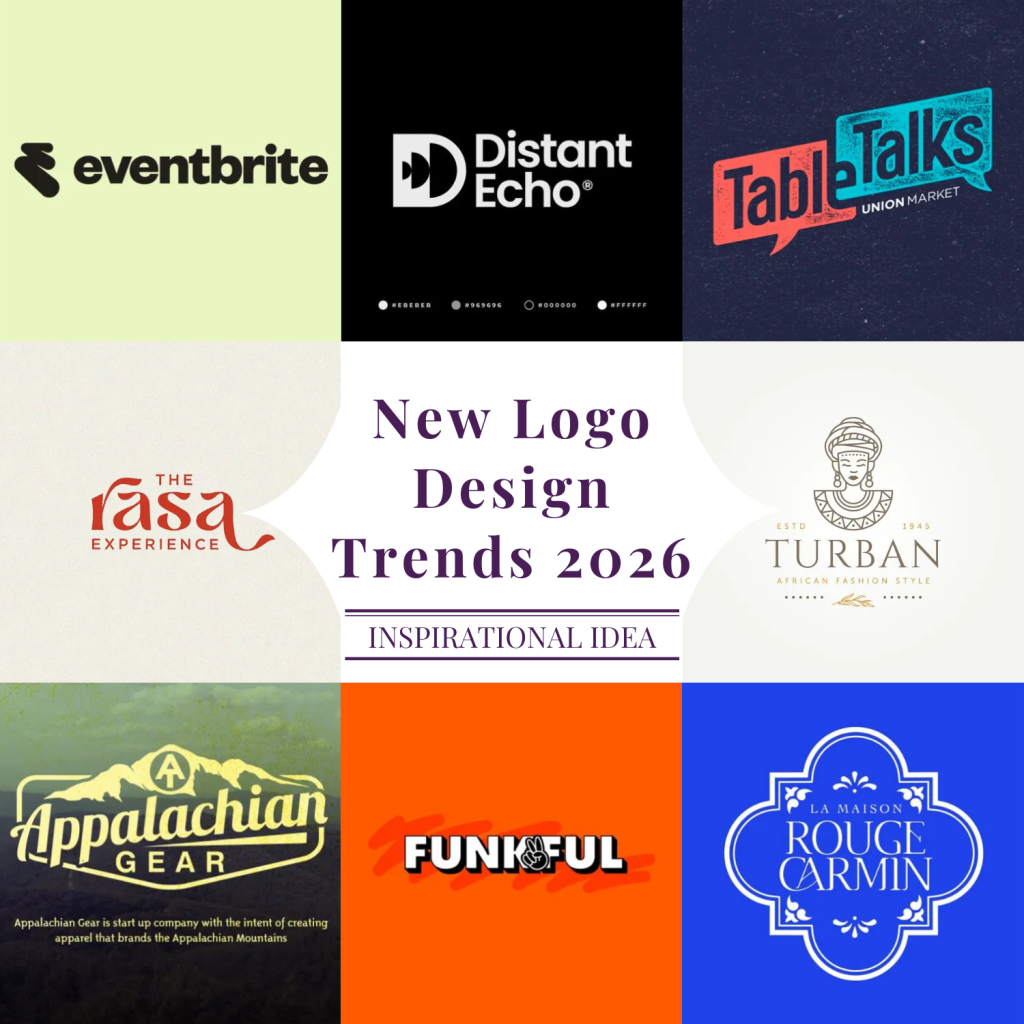
The fashion industry is evolving rapidly, and logo design is at the forefront of brand identity. Minimalist logos have been gaining significant traction, but several other design movements are making strong cases for dominance. As a community of designers and brand enthusiasts, we want to hear your perspective. Which direction do you believe fashion logos will take in the coming year? Vote below and share your reasoning in the comments!
Foresight Creative: Specializing in Minimalist Fashion Branding
Foresight Creative has a proven track record of designing minimalist logos for fashion brands. We understand the unique challenges and opportunities of this industry, and we’re passionate about creating designs that are both aesthetically pleasing and strategically effective.
For example, we recently collaborated with "Ethereal Threads,’ a sustainable clothing brand, to develop a logo that reflected their commitment to ethical and environmental responsibility. We created a simple, circular logo featuring a stylized leaf, using a muted green color palette. The result was a design that felt both modern and organic, perfectly capturing the brand"s essence.
Another successful project involved "Urban Luxe," a streetwear brand targeting a young, fashion-conscious audience. We designed a bold, sans-serif logo with a distinctive geometric shape, using a monochrome color scheme. The logo was versatile enough to be used on a variety of applications, from clothing labels to social media profiles.
Our design process is collaborative and client-focused. We take the time to understand your brand’s values, target audience, and competitive landscape. We then develop a range of concepts, refine them based on your feedback, and deliver a final logo that you’ll be proud to represent your brand. We offer expertise in modern, minimalist, vintage, 3D, circular, animal-inspired, and industry-specific logo designs.

No comments yet. Be the first to share your thoughts!