

Beyond Tractors: The Rise of Branding in Agriculture
Old Man Tiber’s farm, a third-generation apple orchard in Washington state, struggled. Their apples were good, but sold as commodity fruit, lost among competitors. After hiring a designer for a logo – a stylized apple tree with the farm’s founding date – sales jumped 20% in the first year. This shift shows the growing importance of branding in agriculture.
For decades, agricultural marketing focused on product and price. Branding was often overlooked. Now, farms are shifting from selling produce to selling their story.
Direct-to-consumer sales via farmers markets, CSAs, and online stores require farms to differentiate themselves. Consumers want transparency about food origins and production methods. Fierce competition, even in niche markets, means a strong brand identity helps farms stand out.
The USDA's branding efforts, visible on usda.gov, show a commitment to American agriculture and food security, demonstrating how a consistent image benefits the industry.
The Modern Farm Consumer: What They Value
The typical farm consumer has changed. No longer just rural, today's consumer is often urban, educated, and willing to pay more for products aligning with their values. They buy into a lifestyle and beliefs, not just food.
Values-based purchasing is significant. Consumers seek farms prioritizing sustainability and local sourcing to support communities and reduce their carbon footprint. Ethical animal treatment is a concern, especially for meat and dairy. Consumers are also more sophisticated about organic certifications.
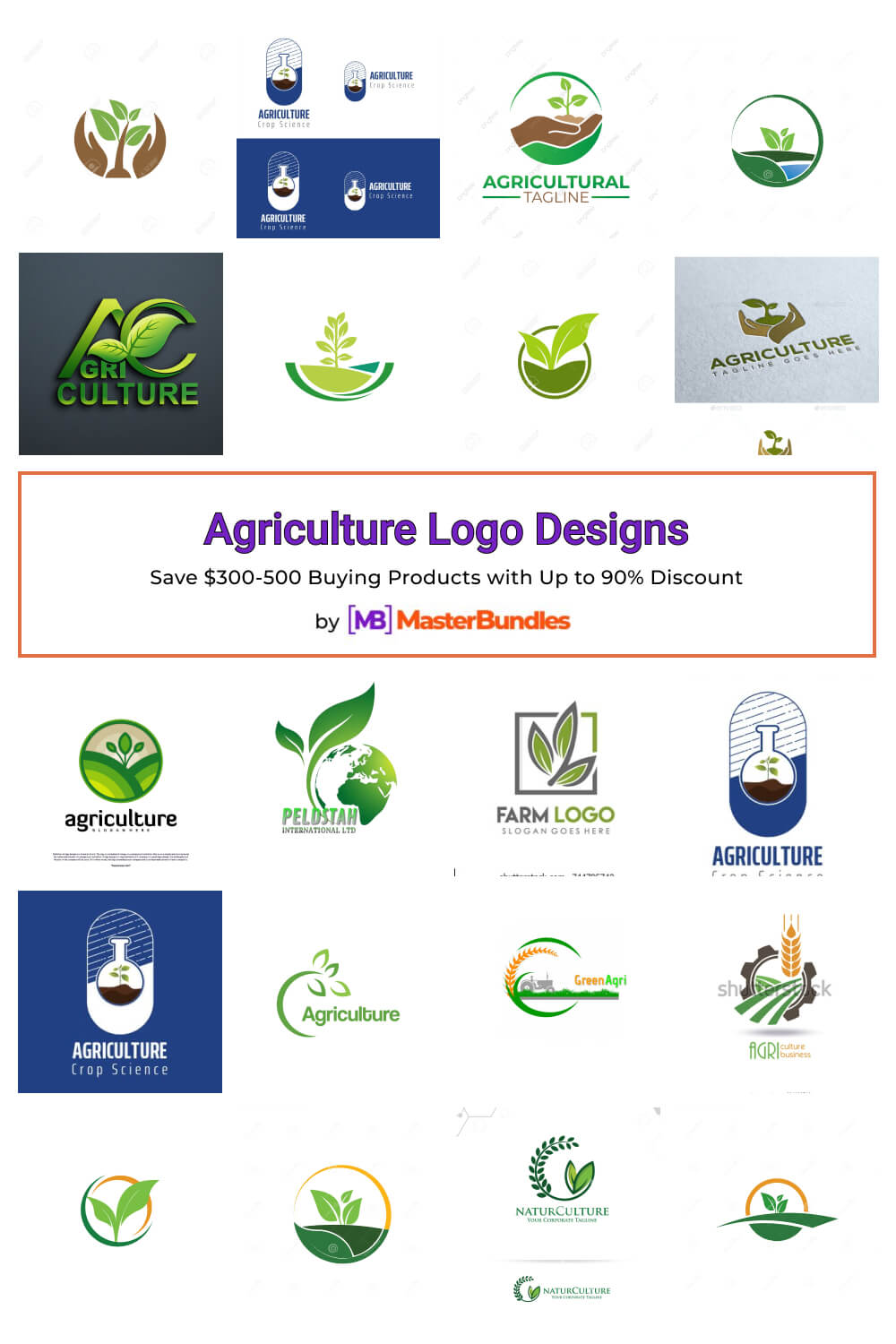
A logo is often the first visual cue to a farm's values. Natural elements like leaves or water can signal sustainability. Handcrafted or rustic designs convey tradition, while clean, modern logos suggest innovation. It's visual storytelling.
Social media and online reviews are significant. Consumers research farms online and share experiences. A consistent brand identity across platforms builds trust. Agritourism also highlights this need, as farms become destinations requiring appropriate branding.
- Sustainability
- Local sourcing
- Ethical treatment of animals
- Organic practices
Design Trends in Agribusiness
- Vintage & Heritage Aesthetics - Many farms are leveraging logo designs that evoke a sense of history and tradition, appealing to consumers valuing authenticity. Think hand-drawn illustrations and classic typography.
- Emphasis on Natural Elements - Logos frequently incorporate imagery of leaves, wheat stalks, or rolling hills to visually communicate a connection to the land and natural farming practices.
- Circular Designs & Seals - Circular logos, often resembling farm seals or inspection stamps, convey trust and quality, aligning with the consumer desire for transparency.
- Minimalist Approaches - Clean, simple logos with a focus on typography are gaining popularity, communicating efficiency and a modern approach to farming. This often pairs well with a focus on sustainability.
- Animal Silhouettes & Illustrations - Farms emphasizing animal welfare often feature respectful depictions of livestock in their logos, fostering a connection with consumers.
- Color Palettes Reflecting Nature - Earthy tones – greens, browns, golds – dominate agricultural logos, reinforcing the connection to the land and organic practices. Blues can also suggest water conservation.
- Logos Highlighting ‘Locally Sourced’ - Designs explicitly stating or visually representing local origin (e.g., state outlines, landmarks) are increasingly common, catering to the demand for locally sourced products.
Logo Styles That Grow: Trends in Agricultural Design
Agricultural logo design is evolving. Vintage and retro styles, with hand-drawn illustrations and classic typography, are popular. These connect to heritage and tradition, evoking family farms and simpler times.
Minimalist designs are also gaining traction. They prioritize simplicity and clarity with clean lines and limited color palettes, conveying efficiency, modernity, and trustworthiness. This style suits tech-driven farms or those focused on innovation, offering a contrast to rustic styles.
Natural elements like leaves, wheat stalks, animals, and landscapes are common motifs. Execution is evolving, with designers opting for stylized and abstract representations over detailed illustrations to hint at nature without being literal.
Understanding a client's brand identity guides the approach to different logo styles. The aim is to create visual representations of a farm’s values and story, tailoring designs from hand-drawn for family farms to minimalist for tech-forward operations.
Industry Specifics: Logos for Diverse Farms
Logo needs vary by farm type. A small orchard's logo might not suit a large livestock operation, so considering specific business nuances is important.
For Family Farms, emphasis is on tradition and personal connection. Logos often feature the family name, founding date, or farm illustrations. Warm colors and friendly typography create a welcoming feel, using handwritten fonts and sketchbook-style illustrations.
Organic Farms should highlight natural and sustainable practices with logos incorporating elements like leaves, sprouts, or the earth. Earthy tones (greens, browns, yellows) are common. USDA Organic certifications should be displayed clearly but not overwhelm the design; a clean, simple aesthetic is often effective.
Tech-Driven Farms should convey innovation and efficiency through logos featuring geometric shapes, abstract patterns, or modern typography. Cool color palettes (blues, grays, whites) create sophistication, with designs feeling forward-thinking and cutting-edge to show the future of farming.
Livestock Farms face the challenge of balancing animal imagery with ethical considerations. Logos should avoid depicting animals in distress or exploitatively. Focusing on the farm’s commitment to animal welfare is crucial, using imagery of open pastures and healthy animals, or softened by silhouettes or stylized illustrations.
Beyond the Field: Extending Your Brand Identity
A logo is the foundation of brand identity and must be consistently applied across all touchpoints to be effective. It's the face of your farm, needing to be recognizable and memorable.
Brand consistency is key. The logo should appear on websites, packaging, social media, signage, and merchandise. Its colors, fonts, and style should be reflected in all marketing materials for a cohesive, professional image.
Comprehensive brand guidelines detailing logo usage and asset creation services ensure consistency across platforms, from business cards to social media templates.
Consistent branding builds customer recognition and loyalty. Customers should immediately associate the logo with the farm and its values, which is especially important in the competitive agricultural market.
- Define your brand values.
- Develop a style guide.
- Apply your branding consistently.
- Monitor your brand reputation.
Case Studies: Farms That Reaped the Rewards
Willow Creek Farm, an organic vegetable farm in Oregon, had a dated logo that didn’t reflect their sustainability commitment. Their
Black Diamond Ranch, a cattle ranch in Montana, wanted to modernize their brand and appeal to a wider audience. Their previous logo was a traditional, somewhat intimidating image of a bull. We designed a logo featuring a stylized silhouette of a bull with a mountain backdrop, conveying strength and resilience while also feeling approachable. They reported a 10% increase in direct sales and a noticeable improvement in brand recognition among potential customers.
Sunrise Orchards, a family-run apple orchard in Washington, needed a logo that communicated their heritage and commitment to quality. Their old logo was a simple text-based design. We created a logo incorporating a vintage-style apple illustration and the farm’s founding date. They saw a 20% increase in sales in the first year after the rebrand, and their social media engagement skyrocketed. These aren’t isolated incidents; they’re examples of the power of professional design.
Investing in Your Future: The ROI of Professional Design
The cost of professional logo design can range from a few hundred to several thousand dollars, depending on the complexity of the project and the experience of the designer. It’s tempting for farms to cut corners and try to create a logo themselves or hire a cheap freelancer. But this is often a false economy.
A poorly designed logo can damage your brand reputation and deter potential customers. It can convey a sense of unprofessionalism or inauthenticity. The cost of fixing a bad logo – redesigning it, reprinting marketing materials – can be far greater than the cost of doing it right the first time.
Professional logo design is an investment, not an expense. A well-designed logo can increase sales, build brand loyalty, and attract new customers. It can also help you stand out from the competition and command a premium price for your products. The return on investment (ROI) can be significant.
Consider the long-term value. Your logo is the face of your farm. It’s something you’ll use for years to come. Investing in a high-quality design is an investment in the future of your business. It’s a signal to customers that you care about quality and that you’re committed to providing them with the best possible products and service.
- Increased sales
- Enhanced brand loyalty
- Improved customer perception
- Competitive advantage


No comments yet. Be the first to share your thoughts!